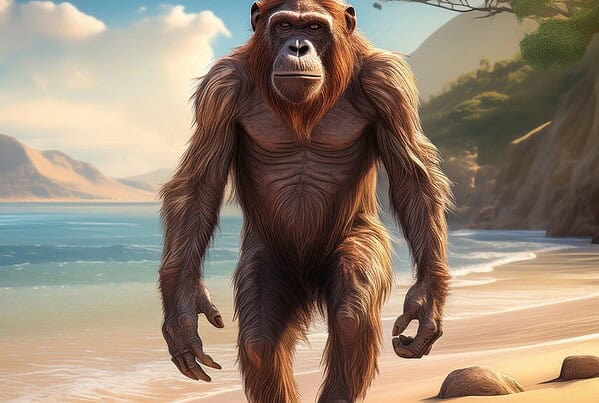
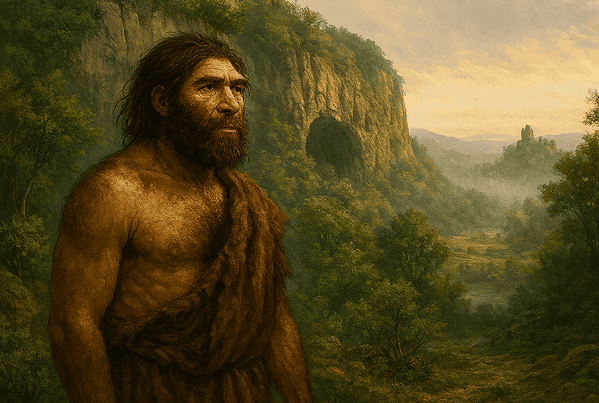
Iberia Neanderthals were the last Survivors
ACTION ALERT! Major brands and top corporations are now advertising on our documentaries at YouTube. We appreciate you visiting our website — truly. But a click on the video above, and a like, helps us grow far more than reading this page ever could. Please click now and support the mission.
 For more than a century, the story of human origins was told as a straight line — a clean, upward march from primitive ancestors to modern intelligence. Textbooks framed it as a sequence of replacements: one species fading as another rose, each step sharpening the silhouette of Homo sapiens as the inevitable endpoint of evolution. It was a comforting narrative, simple and unbroken.
But the last two decades of research — from the windswept caves of Galicia to the limestone shelters of the Levant — have shattered that simplicity. The emerging picture is not a ladder but a tapestry. Not a replacement, but a relationship. And at the center of this revelation stands the Neanderthal, no longer a vanished cousin but a quiet, persistent presence woven into the ancestry of billions alive today.
From the paper, (Open Access),
Late Neandertal occupations in a Galician mountain valley during MIS 3: Cova Eirós (Triacastela, Lugo, NW Iberia)
 In this paper we analyze the last Neanderthal occupations in Cova Eirós (level 3, 41.7-39 ka cal. BP). This site is located in the northwestern Iberian Peninsula, at a prominent and strategic place in the small valley of Cancelo (Tricastela, Lugo, Spain), just at the intersection of the Cantabrian and western Atlantic basins.
The occupations of level 3 of Cova Eirós show the survival of small, isolated Mousterian communities in mountainous and marginal areas at a time when Anatomically Modern Humans (AMH) are found elsewhere in Iberia.
Neanderthals made their last Stand in the Windswept Northwest of Galicia during the Ice Age
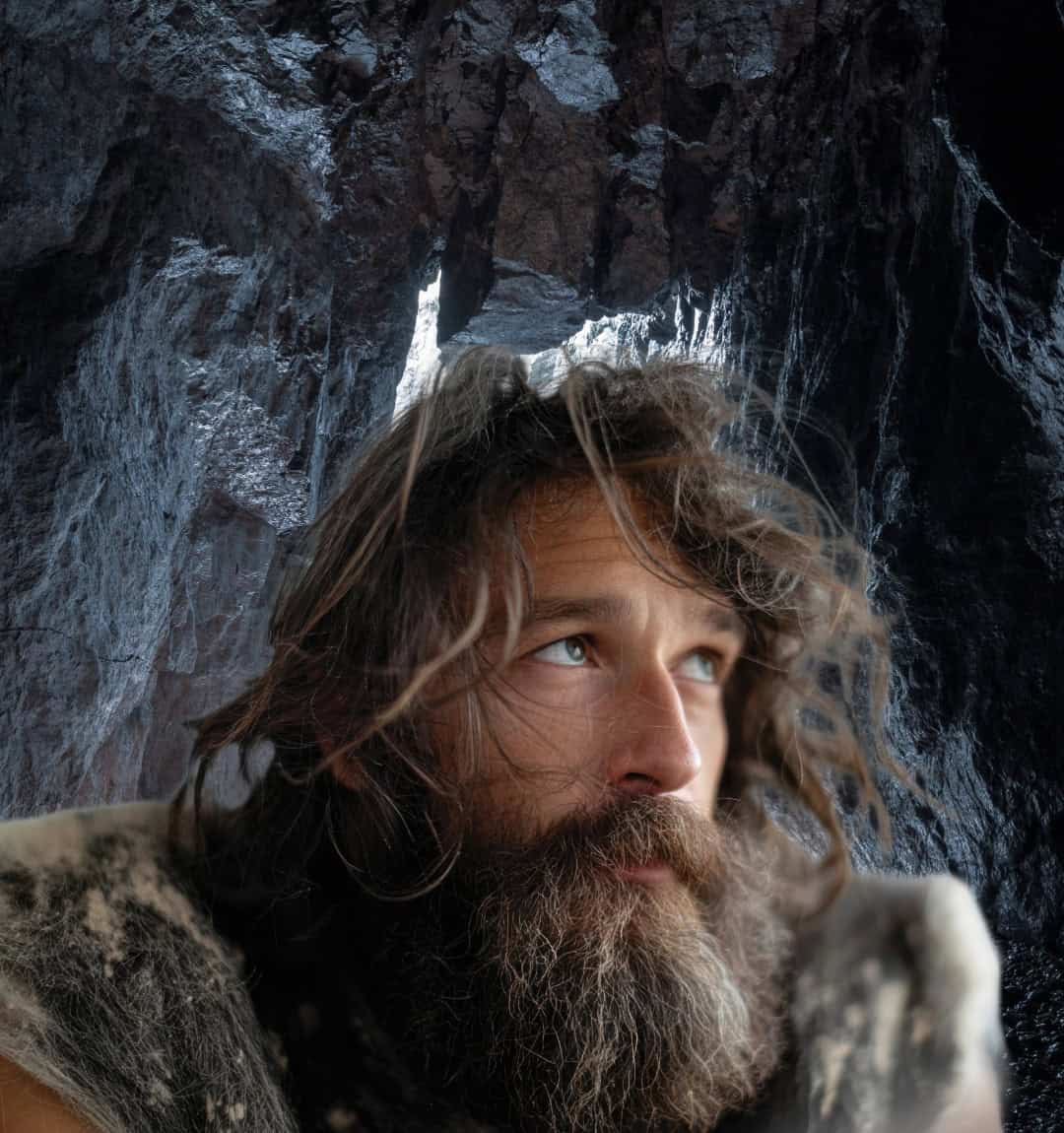 Archaeologists working in Iberia have uncovered a landscape that refuses to fit the old timeline. Stone tools, hearths, and occupation layers in the northwest peninsula point to Neanderthal survival well past the long‑accepted 37,000‑year boundary. These were not isolated stragglers clinging to the last scraps of Ice Age Europe. They were communities — adapting, enduring, and interacting with the modern humans who entered the region. Their story did not end. It changed shape.
This documentary follows that evidence across deep time, tracing the final refuges of Neanderthal Europe and the genomic revolution that rewrote everything we thought we knew. In the caves of Galicia, archaeologists uncover silhouettes left by hands that shaped the same landscapes we walk today. Along the Atlantic coast, tools emerge from ancient sediments, their edges still sharp enough to reveal the minds that crafted them. Each discovery dissolves another boundary between “them” and “us.”
Neanderthal DNA in Modern Europeans
Neanderthal DNA
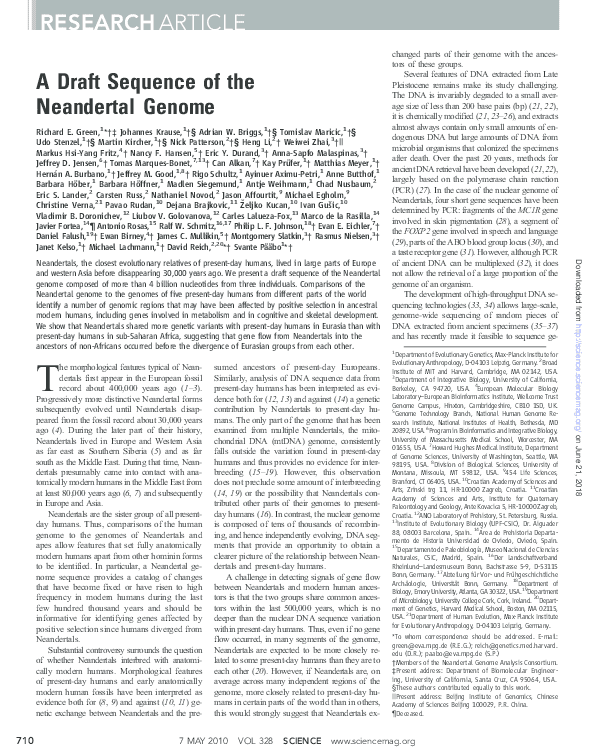
The genomic evidence is even more profound. When scientists first sequenced the Neanderthal genome, they expected to find a distant branch — a lineage long severed from our own. Instead, they found connection. Every Eurasian alive today carries Neanderthal DNA, a signature of ancient encounters that were not fleeting or rare, but widespread and enduring. These genes influence immunity, metabolism, even aspects of skin and hair. They are not relics. They are part of the living human story.
This is the heart of the film: the realization that Neanderthals survived not through isolation, but through connection. Their legacy persists not as fossils in museum drawers, but as biological memory carried in the cells of billions. The old narrative of extinction collapses under the weight of this evidence. What emerges instead is a story of continuity — a shared ancestry that binds the deep past to the present.
Connections in Portugal?
Across Spain and Portugal, modern archaeologists carry this story forward with a warmth and regional authenticity that grounds the science in lived experience. Their work reveals a landscape where Neanderthals and early modern humans overlapped, interacted, and ultimately blended. The Iberian Peninsula becomes not a graveyard of the last Neanderthals, but a threshold where two human worlds met and merged.
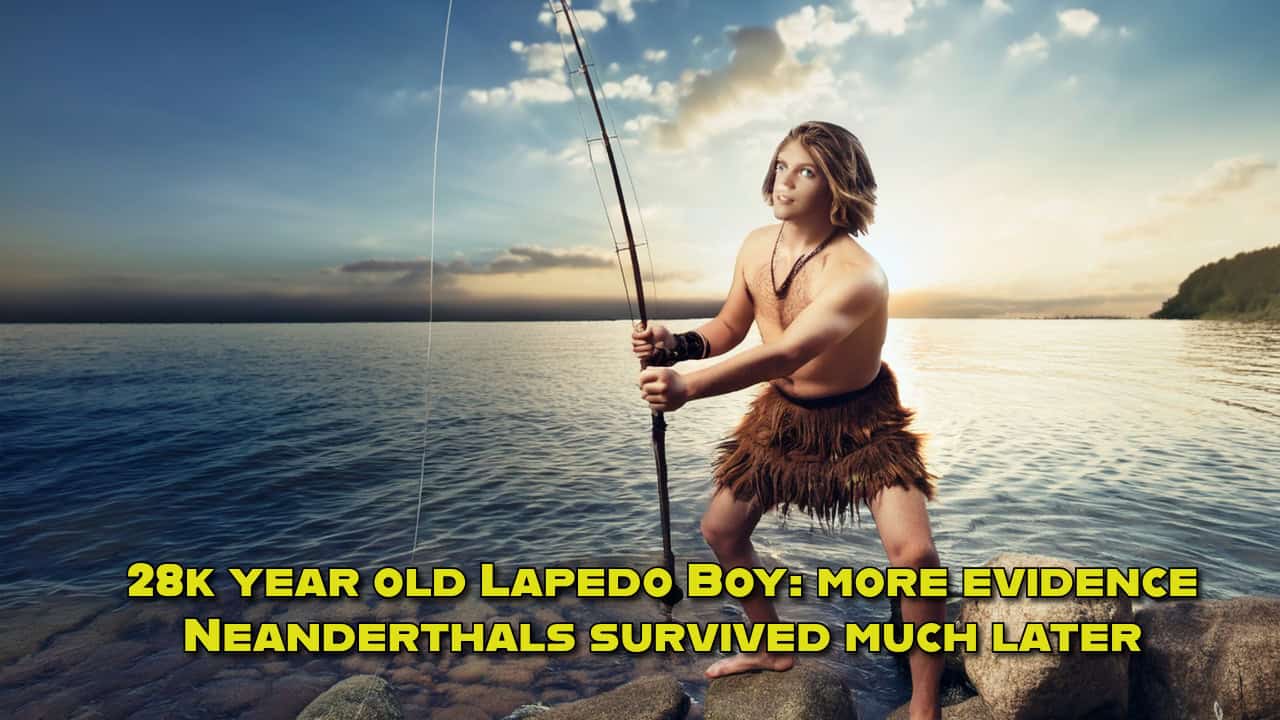
And some of the evidence points to Lapedo Boy from central Portugal as being related to the Iberia Neanderthals.
Sweeping Atlantic vistas, cave chambers lit by flickering torchlight, and the quiet precision of excavation all converge to create a narrative that is both cinematic and deeply human. The film invites viewers to step into that threshold — to see the past not as a distant, alien world, but as a place where people like us lived, struggled, adapted, and left traces that still shape our biology today.
Modern humans were never alone. We carry the proof within us. And as new discoveries continue to surface from Iberia to the Levant, the revelation grows clearer: the story of humanity is not a solitary ascent, but a shared journey.