Odysseus as with all Ancient Greeks have a distinct Evolutionary Path, separate from the Africans
 From Apidima 1 to Odysseus himself, the story of ancient Greece stretches across hundreds of thousands — perhaps even millions — of years of human evolution. The Aegean has long been a crossroads of cultures, but its deeper prehistory reveals something even more remarkable: a continuous human presence that predates agriculture, predates the Bronze Age, and may even challenge long‑held assumptions about where our lineage first emerged.
This journey begins not with Homer, but with a skull cap discovered in a cave above the Aegean Sea.
Apidima 1: Europe’s Earliest Homo sapiens
In 2019, paleoanthropologist Katerina Harvati and colleagues reanalyzed a partial skull from Apidima Cave in southern Greece. Their findings were stunning. The fossil — Apidima 1 — was confirmed to be Homo sapiens and dated to 210,000 years old, placing modern humans in Europe nearly 120,000 years earlier than the traditional “Out of Africa” timeline allows.
This discovery, published in Nature, forced researchers to reconsider the idea that Homo sapiens only entered Europe around 45,000 years ago. Instead, Apidima 1 suggests multiple waves of early humans moving into and out of Eurasia long before the final expansion that shaped today’s populations.
Smithsonian researchers noted that such early dispersals may have been small, transient, and genetically unsuccessful — but they still mark a profound chapter in human history.
Graecopithecus and the Trachilos Footprints: Rethinking the Cradle of Humanity
 If Apidima 1 rewrites the story of Homo sapiens in Europe, two even older discoveries raise deeper questions about hominin origins.
Graecopithecus
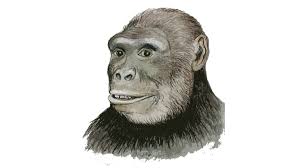
A mandible found at Azmaka in Bulgaria — attributed by some researchers to Graecopithecus freybergi — has been dated to around 7.2 million years ago. A 2017 study proposed that its dental root morphology might place it near the base of the human lineage. The claim remains controversial, but it highlights how little we truly know about early hominin evolution.
Trachilos Footprints
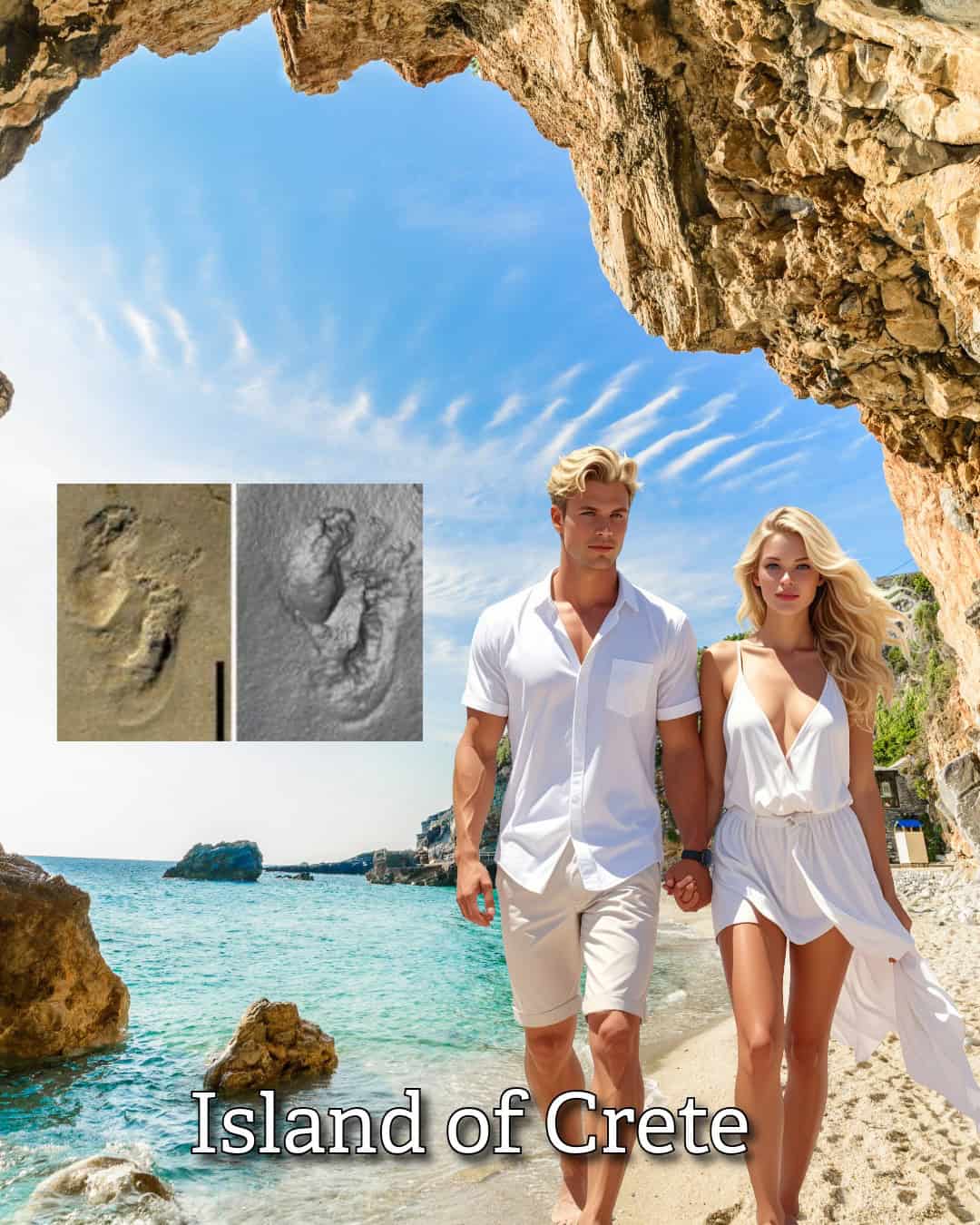
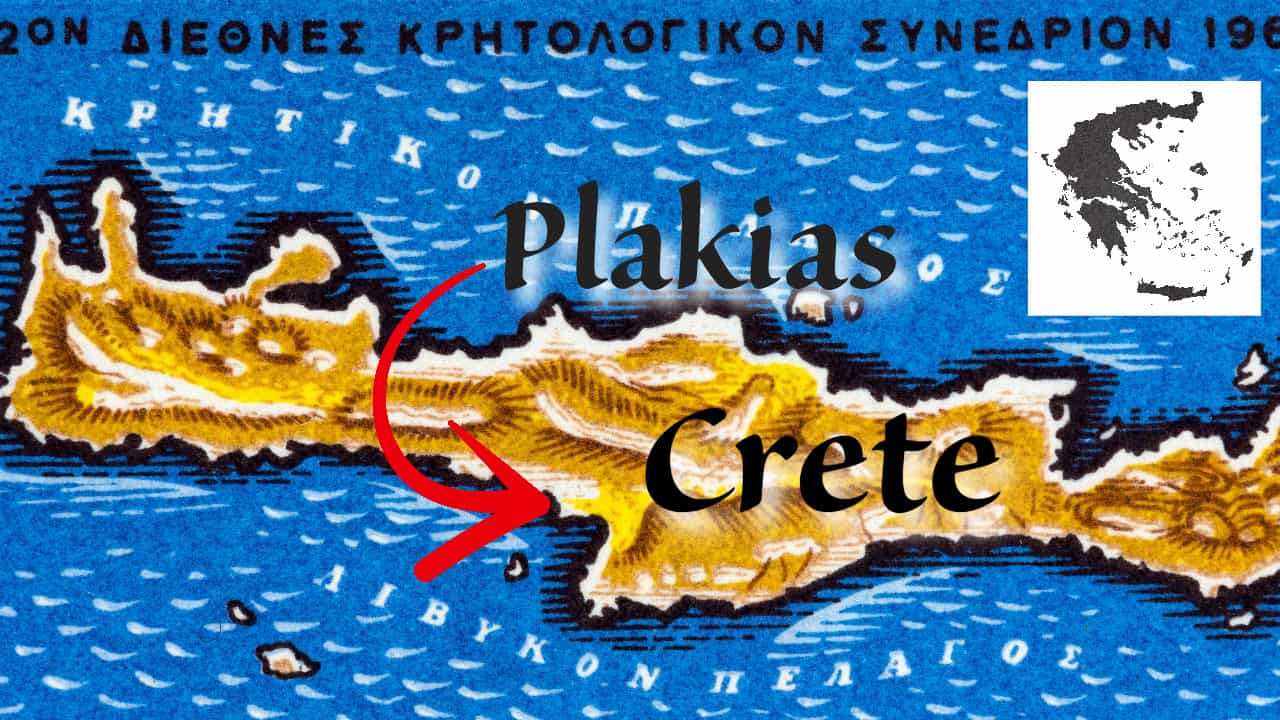 On the island of Crete, mysterious fossilized footprints dated to 5.7 million years ago show a surprisingly human‑like gait. BBC coverage emphasized the debate: could upright, hominin‑like locomotion have existed in Europe at the same time as early African hominins such as Ardipithecus?
These findings do not overturn the African origin model — fossils like Australopithecus afarensis (“Lucy”) and Ardipithecus ramidus remain central to our understanding of early hominins. But they do suggest a more complex picture, possibly involving parallel evolutionary experiments or intermittent migrations between Africa and Eurasia during the Miocene.
Other European Miocene apes reinforce this complexity:
- Anadoluvius (Turkey), 9–6 million years old
- Danuvius guggenmosi (Germany), 11 million years old, showing evidence of bipedal‑like climbing
Europe was not a passive backdrop — it was an active arena in primate evolution.
Bronze Age Greeks: A Eurasian Mosaic
Fast‑forward to the Bronze Age, and the genetic picture becomes clearer.
Studies published in Nature and PNAS show that:
- Minoans and Mycenaeans descended from a mix of Anatolian farmers, local Aegean populations, and Steppe‑derived ancestry.
- Their genetic profile reflects deep Eurasian continuity, stretching back to Ice Age populations.
- Like all non‑African populations, they carried Neanderthal admixture, including pigmentation‑related variants such as BNC2, which influenced skin tone across Eurasia.
This ancestry forms the biological backdrop of Homer’s world — a Mediterranean‑Eurasian lineage shaped by millennia of migration, adaptation, and cultural exchange.
Odysseus: A Cultural Echo of Deep Time
By the time Homer composed the Odyssey, the people of the Aegean carried the legacy of countless ancestors — from early Homo sapiens like Apidima 1 to Bronze Age sailors navigating the wine‑dark sea. Odysseus, the clever king of Ithaca, stands not just as a literary hero but as a cultural echo of this vast human saga.
He emerges from a lineage shaped by Eurasian migrations, Neanderthal inheritance, and the deep prehistory of the Aegean — a lineage far older and more complex than modern storytellers often imagine.
NOTE: Thank you for stopping by. But if you really want to help our mission, please visit our YouTube channel. Hit the Like buttons and Subscribe.