Orang Pendek spotted by Motorcyclists in the Sumatra outback in 2011
Cryptozoology, the study of animals whose existence is unproven or disputed, has long been dismissed by mainstream science. From Bigfoot to the Loch Ness Monster, these creatures are often relegated to folklore. But what happens when a “myth” turns out to be real?
In the dense jungles of Sumatra and Borneo, one such legend refuses to fade: the Orang Pendek, a small, bipedal hominid said to roam the island’s remote interior. Sightings date back decades, including a 2012 account from motocross riders that made headlines in the London Express. Locals speak of it with reverence. Westerners, until recently, wrote it off as another cryptid tale.
From the London Express, 2012,
SHOCKING FOOTAGE: Mythical ape man caught on camera sprinting from bikers
 STAGGERING footage said to show a mythical ape man sprinting at an alarming speed has allegedly been captured on camera. The video uploaded to YouTube is said to show an Orang Pendek, a mythical small Yeti-like beast said to inhabit the wilds of Sumatra, Indonesia.
Additionally,
In the new video, the figure appears to sprint away down a track from a group of bikers.
They pursue the beast, but it again sprints off, and then disappears into undergrowth to the left of the track, Dailystar.co.uk reports.
But then came the Tapanuli orangutan.
🐒 From Myth to Species: The Tapanuli Shock
For years, the Tapanuli was considered a rural fable — a third orangutan species whispered about in Sumatra’s southern mountains. In 2009, an Australian-led expedition confirmed its existence. By 2017, it was officially recognized as a distinct species, joining its Bornean and Sumatran cousins.
The scientific community was stunned. A cryptid had crossed into taxonomy.
🧠 Orang Pendek: Homo floresiensis or Denisovan?
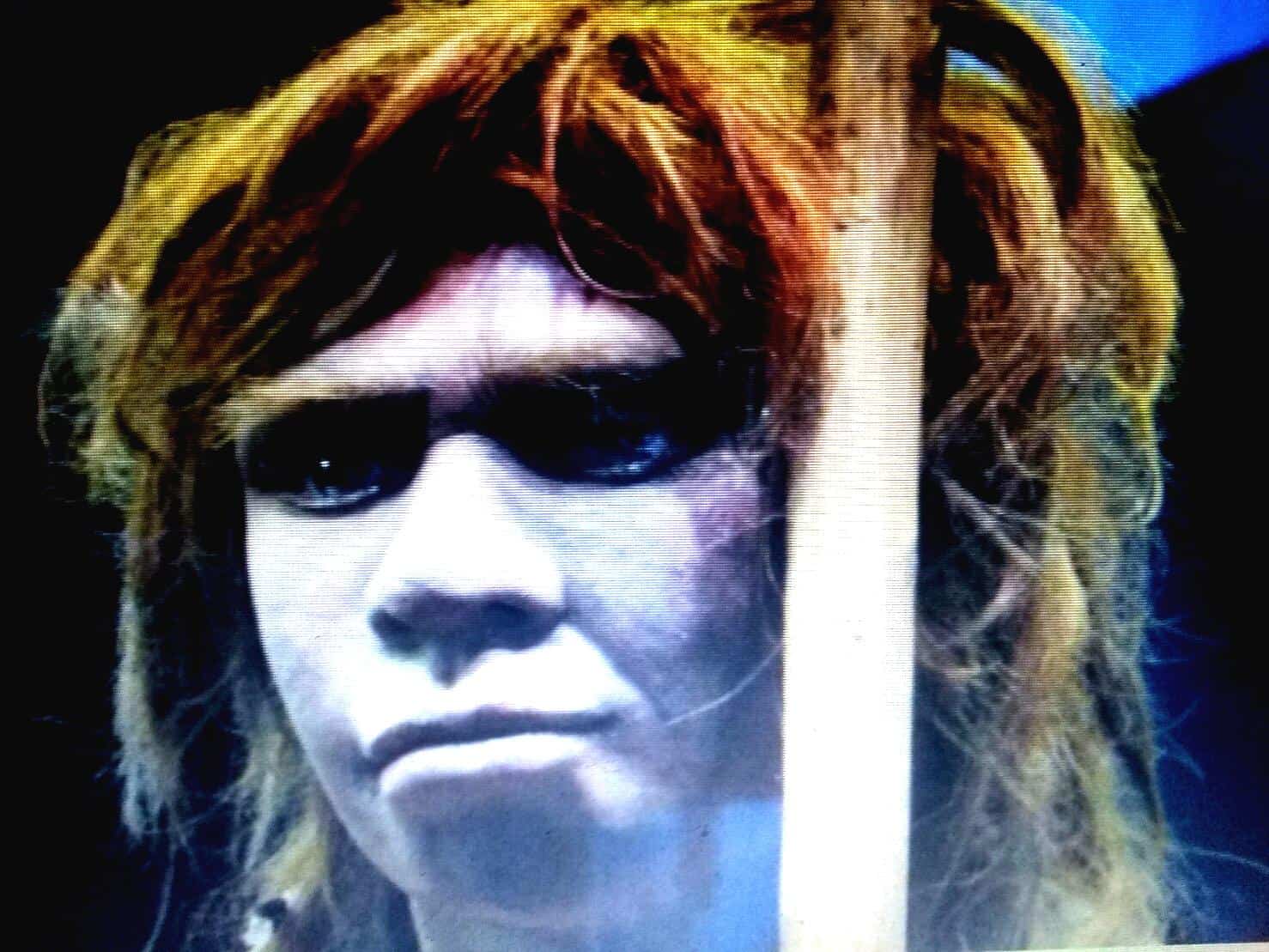 The Orang Pendek, like the Tapanuli, has long been dismissed. Yet its sightings are more numerous, more consistent, and more geographically concentrated. Some researchers once speculated it could be a surviving Homo floresiensis, the “hobbit” species discovered in Indonesia. But new fossil and DNA evidence suggests another possibility: Denisovans.
🧬 Who Were the Denisovans?
Denisovans are a mysterious branch of archaic humans, first identified from a finger bone in Siberia’s Denisova Cave. Genetically distinct from both Neanderthals and modern humans, they interbred with Homo sapiens and left traces in the genomes of Melanesians and Southeast Asians.
Recent studies — including one by Janet Kelso at the Max Planck Institute — suggest Denisovans may have survived until 25,000 years ago, possibly even 10,000 years ago. That’s shockingly recent in evolutionary terms.
First Denisovan Skull emerges
 Update! Breaking News from China’s paleoanthropology labs: The famous Harbin skull—nicknamed “Dragon Man”—has now been identified by molecular evidence as a Denisovan. This massive, well-preserved cranium, originally discovered in northeastern China, had long puzzled researchers with its mix of archaic and modern traits. But recent genomic analysis by Chinese scientists has tipped the scales toward a Denisovan classification. Even renowned British paleoanthropologist Chris Stringer has publicly supported the finding, calling it “a plausible candidate for a Denisovan lineage.” If confirmed, this would mark the most complete Denisovan fossil ever found—and it places their presence squarely in East Asia, not just Siberia.
🧩 The Orang Pendek Puzzle
Could the Orang Pendek be a late-surviving Denisovan? The idea isn’t as far-fetched as it once seemed. Sumatra’s rugged terrain and isolated ecosystems are ideal for preserving relict populations. And if the Tapanuli could hide in plain sight for decades, why not something even more elusive?
🧠 Final Thought: When Cryptids Become Candidates
The line between myth and science is thinner than we think. Orang Pendek may still be a legend — or it may be the next Tapanuli. Either way, it reminds us that dismissal isn’t discovery. Sometimes, the jungle keeps its secrets just long enough for us to catch up.