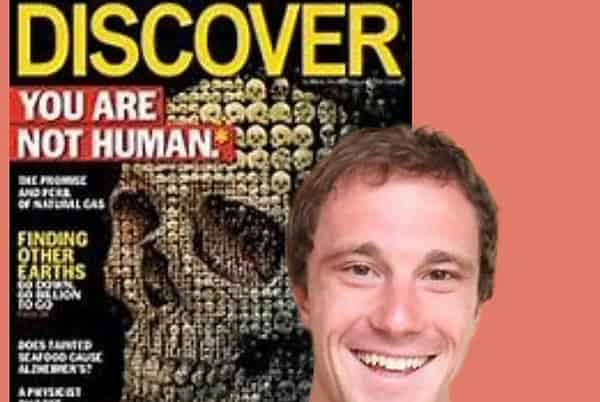
Nathan Cofnas gets into an on-line spat with Harry Potter’s J.K. Rowling and the next day he is suspended
 As we outlined in a previous article on this site (link at the botton), Nathan Cofnas has been threatened with bodily harm on other occasions. Not a new controversy has erupted.
The online debate surrounding biologist Nathan Cofnas, author J.K. Rowling, and Cambridge sociologist Jason Arday has intensified dramatically in recent days. What began as a dispute over alleged plagiarism has now expanded into a broader conversation about academic freedom, public accusations, and the responsibilities scholars carry when their work intersects with sensitive social issues. With Ghent University suspending Cofnas pending a disciplinary investigation, the story has moved from niche academic circles into mainstream European media.
A wizarding‑world metaphor set the stage in our recent Short, but the real‑world stakes have grown far beyond literary symbolism.
The Origins of the Dispute
 Nathan Cofnas, an American biologist and philosopher of biology working in Belgium, raised concerns earlier this month about possible plagiarism in the work of Cambridge professor Jason Arday. Arday, a rising star in sociology known for his research on race, inequality, and education, tragically passed away last week. Authorities have suggested the possibility of suicide, though investigations remain ongoing.
The timing of Cofnas’s critique — landing just days before Arday’s death — sparked intense public scrutiny. Many observers questioned whether the academic dispute contributed to the emotional climate surrounding Arday’s final days. Others argued that scholarly critique, even when uncomfortable, is part of the normal process of academic evaluation.
Rowling enters the conversation
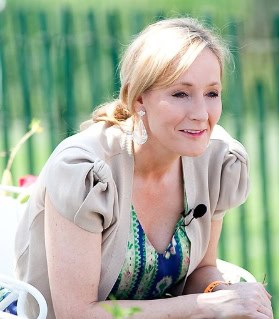
The controversy escalated when J.K. Rowling, the globally recognized author of the Harry Potter series, publicly criticized Cofnas on social media. Rowling accused him of racism, framing his plagiarism concerns as part of a broader pattern of discriminatory thinking.
Rowling, born Joanne Rowling in 1965, has long been a polarizing figure in public discourse. Her literary achievements are undeniable — over 500 million books sold, multiple blockbuster films, and a cultural footprint rivaling any modern author. Yet her social commentary often draws intense reactions, making her involvement in the Cofnas–Arday dispute both influential and combustible.
Cofnas rejected the accusation, insisting his critique was strictly academic and unrelated to race. His supporters argue that Rowling’s intervention transformed a scholarly disagreement into a global media spectacle.
Ghent University Responds
 On August 20, Cofnas announced that Ghent University had suspended him pending a disciplinary investigation. He stated publicly that he expects to be fired. European outlets — BBC‑adjacent networks, Reuters‑syndicated partners, and major Belgian papers — quickly picked up the story.
Ghent University confirmed the suspension, describing it as a precautionary measure while they examine whether Cofnas’s public statements violated institutional responsibilities or created an environment inconsistent with the university’s values. No final decision has been announced.
The suspension marks a significant escalation. What began as an academic dispute has now become a test case for how universities navigate public controversies involving their faculty.
Who is Nathan Cofnas?
Cofnas is best known for his work on philosophy of biology, human variation, and debates surrounding heredity and environment. He earned his doctorate at Oxford and has published widely in academic journals. His work often intersects with politically sensitive topics, making him a frequent subject of online debate.
His critics argue that his research touches on socially volatile areas. His supporters counter that he is being punished for engaging in empirical inquiry.
A Debate with No Easy Resolution
 The Cofnas–Rowling–Arday controversy sits at the intersection of scholarship, public perception, and media amplification. It raises difficult questions:
- How should universities respond when academic disputes spill into public controversy?
- When does critique become harassment?
- What responsibilities do public figures have when weighing in on complex academic matters?
For now, Ghent University’s investigation continues, and Cofnas’s future remains uncertain. What is clear is that this story has moved beyond academia and into the global conversation — a debate shaped as much by timing and tragedy as by scholarship.
Nathan Cofnas gets cringeworthy attack from Nietzschean prof. Mark Alfano over Race Science ban
See our previous article on Cofnas. Another professor threatened him with bodily harm, “you are about to find out why people do not fuck with me…”
Our newest video short on Race Realism and the Jason Arday incident.