Mungo Man or Kow Swamp Man sparks serious culture divide Down Under
 In a move that has stunned archaeologists, historians, and Indigenous communities alike, the Australian government has destroyed three of the continent’s most significant ancient human remains: Mungo Man, Kow Swamp Man, and WLH-50. These specimens were not just bones—they were time capsules, holding irreplaceable clues to early human migration, paleoanthropology, and the deep-time story of Australia’s first peoples.
🔥 The Crania That Told a Story
Each of these remains carried a unique narrative thread:
- Mungo Man, discovered in the Willandra Lakes region, was dated to over 40,000 years ago and showed signs of ritual burial—a practice once thought exclusive to later hominins.
- Kow Swamp Man, with its robust cranial features, challenged conventional models of human evolution and sparked debates about regional variation and archaic traits.
- WLH-50, found near Lake Mungo, was one of the most complete crania ever recovered in Australia, offering insights into genetic continuity, population structure, and morphological diversity.
Together, these specimens formed a triad of ancestral echoes, reshaping how we understand the peopling of Sahul and the complexity of early human life in Oceania.
From ABC.net, March 2025,
The complex history of returning Mungo Man and Australia’s oldest skeletons to country
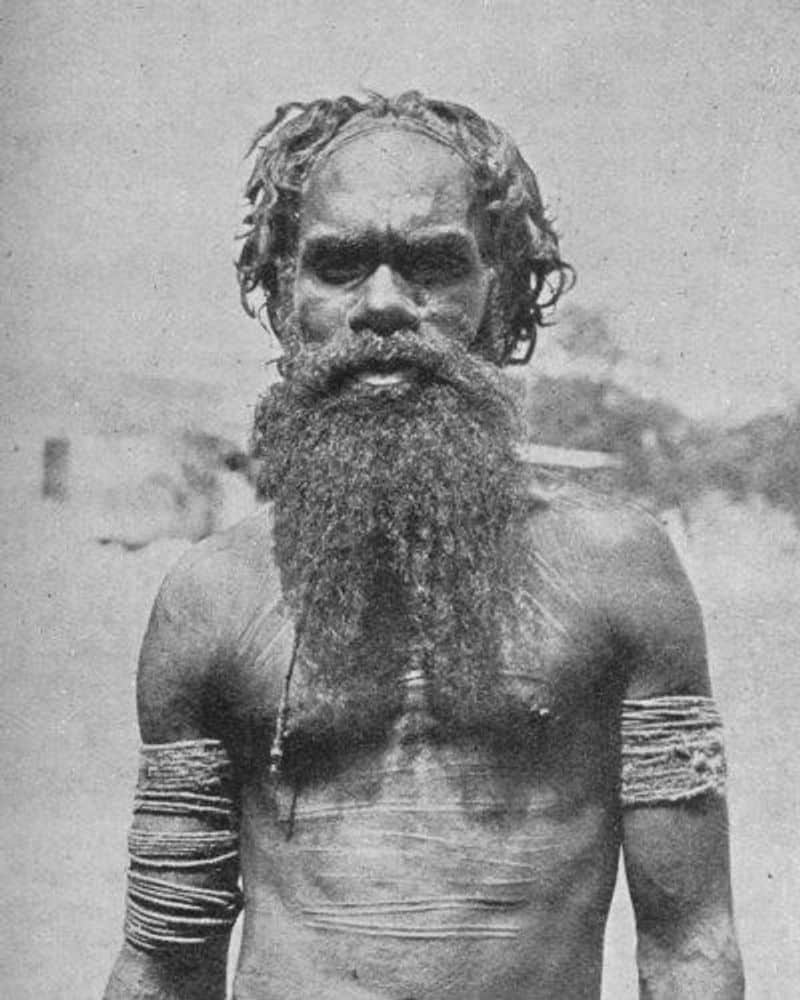 Mungo Man is the oldest skeleton ever found in Australia at approximately 42 thousand years old — older than the pyramids in Egypt — and some of the earliest human remains discovered anywhere in the world.
This finding confirmed how long First Nations people have lived on this continent and revealed new details about how they lived at the time.
Additional:
members of the Willandra Lakes Region Aboriginal Advisory Group (AAG), an advisory group of community-elected representatives of the three traditional owner groups, want the remains reburied in a secret location with a traditional ceremony so they could finally be at peace.
“A keeping place is no good for our ancestors,” Barkindji man and AAG member Ivan Johnson told ABC Mildura.
“Our ancestors were buried in the ground, and we should put them back in the ground and leave them there to rest.”
🧬 Erasure or Repatriation?
The destruction of these remains has been framed by some as an act of ethical repatriation—a gesture of respect toward Indigenous communities who have long called for the return of ancestral remains. But others see it as a scientific tragedy, a loss of irreplaceable data that could have informed generations of research.
This tension between archaeological ethics and cultural sovereignty is not new. Across the globe, museums and governments are grappling with how to balance the rights of descendant communities with the pursuit of knowledge. But in this case, the decision to destroy rather than preserve has ignited a firestorm of debate.
🧠 What We’ve Lost
The implications are profound:
- Loss of morphological data that could have refined models of human evolution in Australasia
- Disruption of comparative studies with other hominin species, including Neanderthals and Denisovans
- Silencing of burial narratives that speak to the emotional and spiritual lives of ancient peoples
For researchers, this is more than a setback—it’s a rupture in the archive, a severing of the thread that connects us to our deep past.
Rare Denisovan DNA?
 The reburial of Mungo Man may significantly hinder scientists’ ability to detect traces of Denisovan DNA in ancient Aboriginal populations—a key puzzle piece in understanding human migration into Sahul. Mungo Man’s remains, dated to over 40,000 years ago, represent one of the oldest anatomically modern humans found in Australia. If preserved, his DNA could offer rare genomic insights into whether early Australians carried Denisovan genetic markers, which are known to persist in modern populations across Oceania and Southeast Asia. By removing access to these remains, researchers lose a critical opportunity to test hypotheses about interbreeding between Denisovans and early Homo sapiens, potentially erasing evidence of deep-time genetic legacies that shaped Indigenous biology and adaptation
🗣️ Indigenous Perspectives
Many Indigenous leaders have voiced support for the removal and destruction of these remains, citing decades of colonial extraction, museum captivity, and scientific exploitation. For them, the act is not erasure—it’s closure. It’s the return of ancestors to the land, free from the gaze of outsiders.
This raises critical questions: Who owns the past? Who decides what is preserved, and what is laid to rest? And how do we reconcile scientific legacy with spiritual sovereignty?
📜 The Archive Echoes On
Even in their absence, Mungo Man, Kow Swamp Man, and WLH-50 continue to echo through the archive. Their stories live on in field notes, photographs, published studies, and the memories of those who encountered them. But the physical loss is undeniable—and it forces us to confront the fragility of our historical record.