Changing UK Demographics is moving the country into 3rd World status at an alarming rate
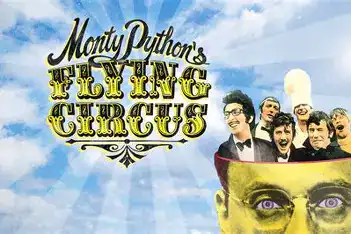 Our latest video UK Demographics, London is Falling, but John Cleese may get the Last Laugh is a sharp, cinematic dive into Britain’s cultural contradictions. From the gritty backdrop of London’s decline—mass immigration, woke orthodoxy, and demographic upheaval—to the ironic resurgence of comedy legends, this story blends satire, forensic detail, and mythic swing to expose the clash between political correctness and unapologetic wit.
We trace Cleese’s journey: from house‑hunting along England’s storied coastlines to his abrasive riffs on race and political correctness, all against the backdrop of Britain’s rightward drift. Along the way, cultural mic drops punctuate the narrative—Kevin Spacey’s shock return in Israel, Nigel Farage’s pub‑grin populism, and the unmistakable cadence of a society wrestling with its own identity.
NOTICE: Please give the Video a View, a Like and Pass it Around to Your Friends! We also ask that you subscribe to our Youtube channel Right-Anthro for more alt-right anthropology.
Monty Python: Comedy as Rebellion
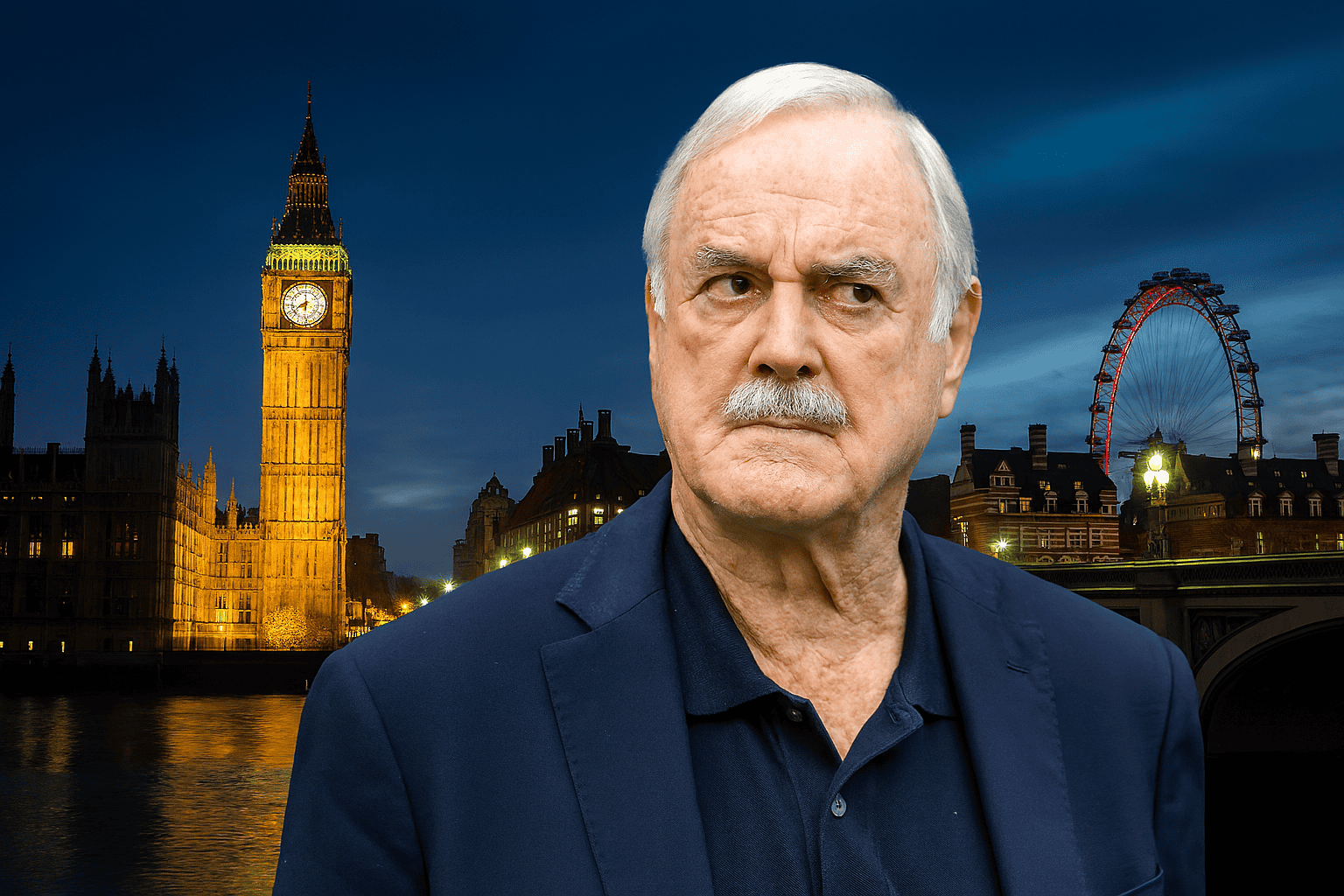
John Cleese first launched into cultural consciousness with Monty Python’s Flying Circus—a surreal, anarchic comedy that rewrote the rules of satire. In the UK, Monty Python mocked class, politics, and the absurdity of everyday life. In America, it became a cult phenomenon, shaping generations of comedians and thinkers.
Monty Python wasn’t just comedy. It was cultural rebellion, a blueprint for how humor could dismantle authority. From the Ministry of Silly Walks to the Dead Parrot Sketch to the Lumberjack Song, Cleese embodied the absurd accountant who made nonsense profound.
The troupe scored a monumental hit in 1975 with Monty Python and the Holy Grail, then took a darker turn with Life of Brian (1979). Hailed by fans as brilliant satire yet condemned by clergy as blasphemous, the backlash was immediate—cementing Cleese’s reputation as a provocateur.
From Comedy to Cultural Critic
As the years went on, Cleese moved from sketch comedy into the spotlight of public debate. He became a regular on talk shows, sharpening his views on politics and current events. No longer just the absurd accountant of Monty Python, Cleese now spoke as a cultural critic—dissecting identity, free speech, and the shifting values of modern Britain.
London Dystopian Wasteland

By the 2023 UK census, London’s white population had fallen to just 36.5%. By the mid‑2020s, the city was gripped by a rising crime wave: over 951,000 recorded offenses in 2024–25, including more than 100 murders—57% of them stabbings. Riots and gang violence erupted across London and spread to Manchester, Birmingham, and Liverpool.
Old‑timer Englanders began to take notice. Even figures from the liberal establishment—politicians, media voices, entertainers like Cleese—started to re‑evaluate their former stances on crime and immigration. Cleese himself reconsidered race, religion, and the fading of England’s cultural backbone, first voicing concerns as early as 2011.
Cleese has moved considerably right since then on a number of critical issues, most especially immigration and the decline of traditional British values. He has expressed his evolving views in both interviews and on social media platforms such as Twitter, often to the dismay of both interviewers and to some of his longtime fans.
Cleese vs. Woke Orthodoxy
 In 2019, Cleese reignited controversy by tweeting to his 5.6 million followers: “Some years ago, I opined that London was not really an English city anymore. Since then, virtually all my friends from abroad have confirmed my observation, so there must be some truth in it.”
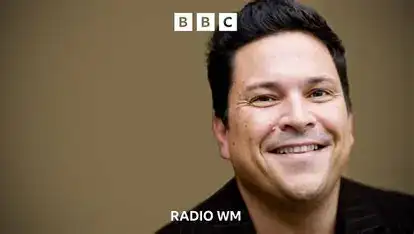
The reaction from Britain’s liberal elite was swift. Comedian Dom Joly called the remarks “depressing” and “racist.”
Yet Cleese did not back down. He continued to critique cultural decline, even lamenting that he had once been forced to remove the n‑word from an episode of Fawlty Towers.
For Cleese, comedy had always been rebellion. Now, rebellion meant speaking against the orthodoxy of multiculturalism and woke censorship.
Cleese most recently canceled a series of scheduled shows in Israel, which gained him a bit of a backlash. He made a stunning remark, acknowledging his past missteps.
From the Times of Israel:
“I don’t understand the internet,” he went on. “People create things and don’t care that they can be disproved.”
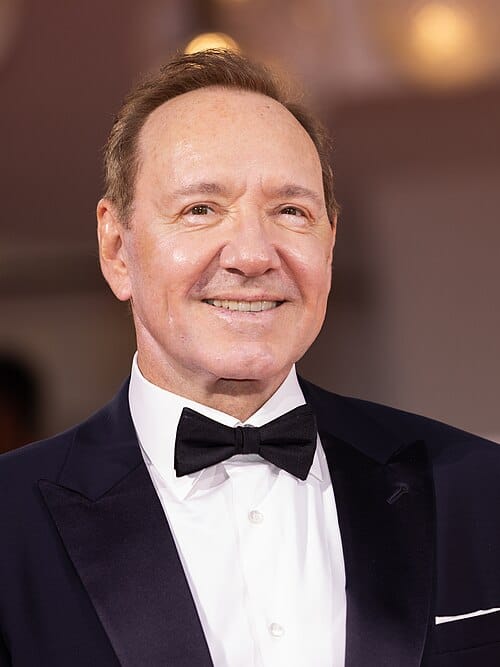
Cleese was replaced on the tour dates by an equally controversial figure: Kevin Spacey.
The Last Laugh
From Monty Python’s absurdist sketches to his abrasive cultural critiques, Cleese embodies the paradox of Britain itself: a nation caught between tradition and transformation, satire and seriousness, rebellion and conformity.
In the end, London is Falling, but John Cleese may get the Last Laugh is more than a chronicle of one comedian’s career.
It’s a prophecy: in an age of woke orthodoxy, the last laugh may belong to those who refuse to play by the rules.