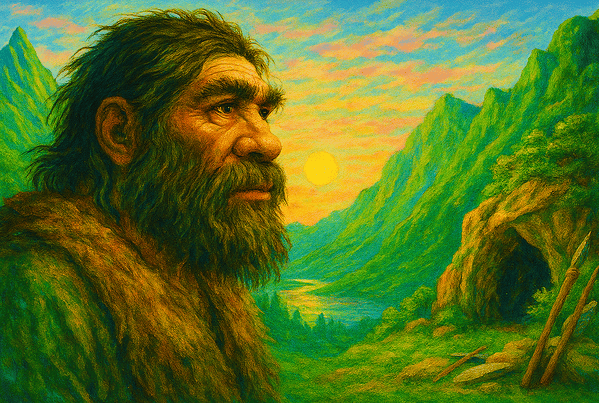
William Neanderthal boy – “Thought provoking on a subject worth viewing”
“William” opened on Friday, only theaters in Los Angeles and New York. This indicates a less-than-stellar demand. “William” may be headed straight to NetFlix and Redbox.
From Hollywood Reporter:
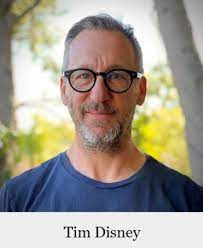 “Tim Disney’s drama concerns the repercussions when a scientist couple creates the first Neanderthal to walk the earth in 35,000 years.”
Reviews are remarkably similar. Most giving the film by Walt Disney nephew Tim Disney, good marks for cinematography, acting and effort, but lower marks for plot and drama. All the reviewers are suggesting the movie was rather tame.
RogersMovieNation.com gives it 2.5 stars:
“William” lacks the fireworks or even high drama that would give it scale or stakes, that would make it more consequential. And its moral parable feels underdeveloped. But Disney still has managed to tell a thought-provoking story on a subject worth viewing through a lens of ethics and morality, even if he can’t quite break free of “Planet of the Apes” parallels.”
Hollywood Reporter notes that the film ends in a “surprise twist.”
Did Disney get the idea from Lapedo Boy?
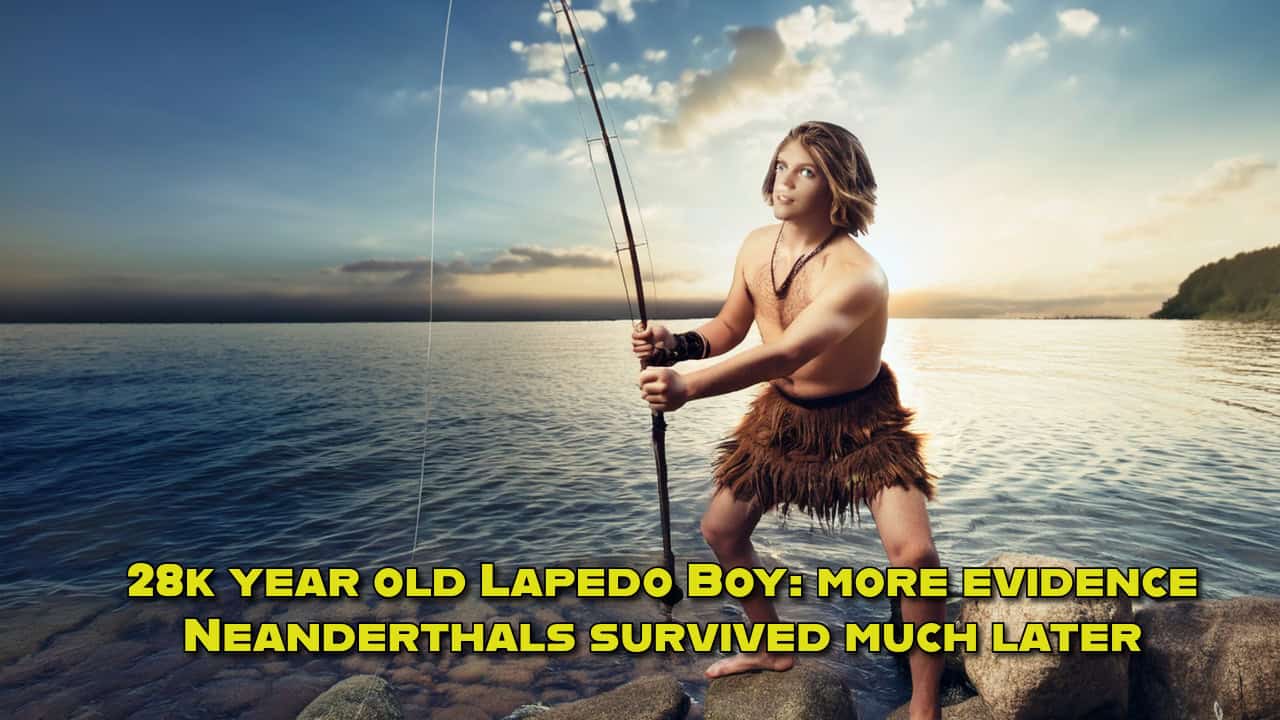 The discovery of the Lapedo Boy, an ancient child skeleton found in Portugal, has sparked fascinating debates about human evolution. Recent re-dating analysis suggests that Neanderthal-human hybrids may have lived much later than previously believed, challenging established timelines of prehistoric history. This groundbreaking evidence offers new insights into the complex interactions between Neanderthals and modern humans, reshaping our understanding of their coexistence and eventual decline.
In this video, we explore the implications of the Lapedo Boy’s discovery and the scientific findings that point to a prolonged presence of hybrid populations. Could this mean Neanderthal genetics played a more significant role in shaping modern humanity than we once thought? Join us as we delve into the latest research, unraveling the mystery of the Lapedo Boy and the hidden chapters of our evolutionary story.
Tim Disney retrospective
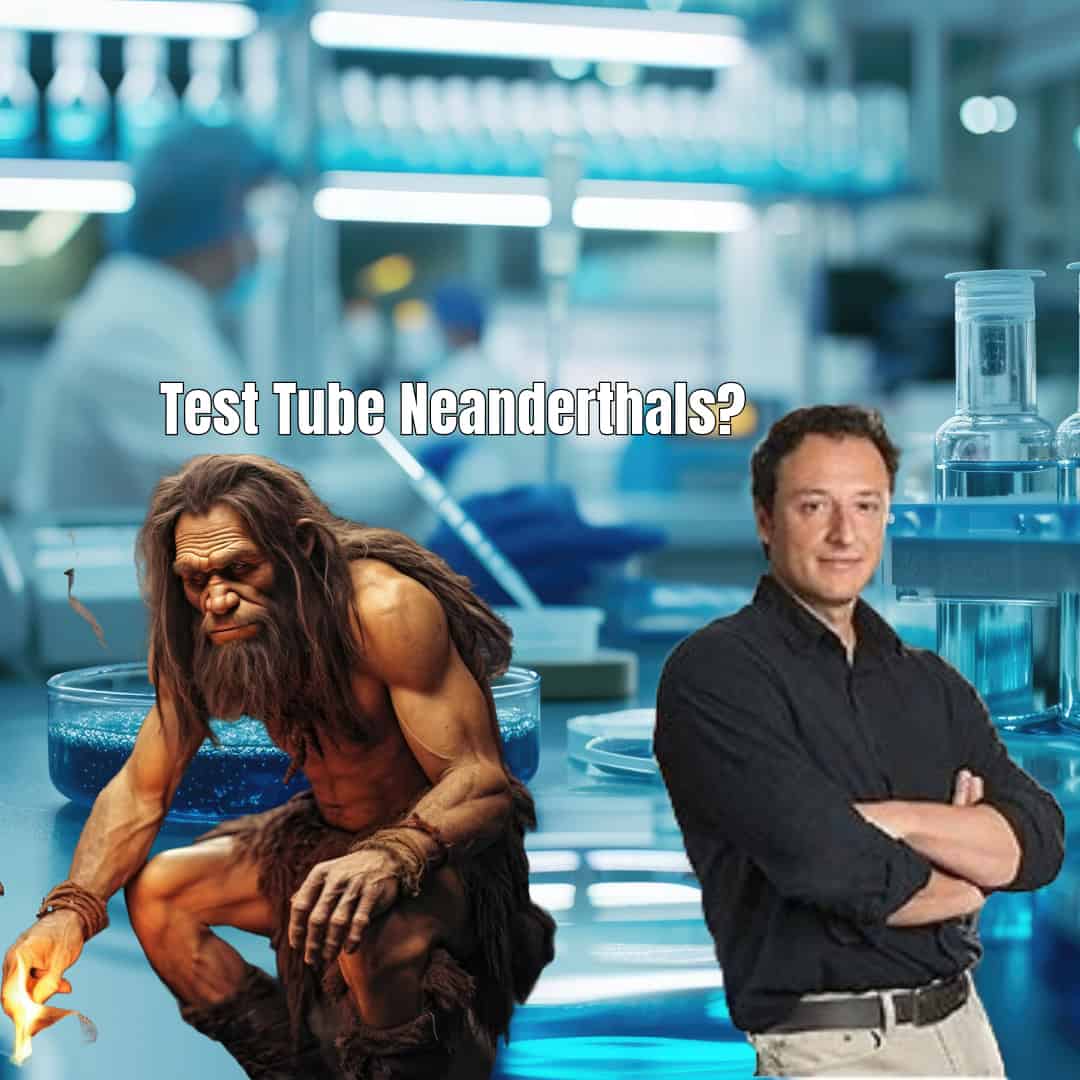
Neanderthal
Tim Disney, the writer‑director behind William, has long occupied an unusual and somewhat under‑the‑radar position in American independent cinema. Although he is a member of the well‑known Disney family, his creative work has generally moved in a very different direction from the mainstream entertainment empire associated with his surname. Rather than focusing on large‑scale commercial productions, he has gravitated toward smaller, character‑driven films that explore ethical dilemmas, social issues, and speculative ideas.
Over the years, Disney has developed a reputation for tackling subjects that sit slightly outside the Hollywood mainstream. His projects often blend drama with philosophical questions, and he tends to favor intimate storytelling over spectacle. While this approach has earned him respect among certain critics and festival audiences, it has also meant that many of his films receive limited theatrical releases and rely heavily on word‑of‑mouth or streaming platforms to find their audience. William fits squarely within this pattern: a modestly budgeted film with an ambitious premise, designed more to provoke thought than to compete with blockbuster science‑fiction franchises.
Disney’s filmmaking style typically emphasizes grounded performances, naturalistic dialogue, and a restrained visual aesthetic. He often collaborates with actors who are comfortable working in low‑key, emotionally focused environments, and he tends to avoid heavy special effects even when dealing with speculative or science‑based material. This gives his films a distinctive tone — one that prioritizes human relationships and moral questions over action or sensationalism.
Although William did not achieve significant commercial success, it reflects Disney’s ongoing interest in stories that explore the boundaries between science, identity, and society. His work continues to appeal to viewers who appreciate independent films that raise questions rather than provide easy answers. Even when his projects receive limited theatrical exposure, they often find a second life through digital distribution, film‑school discussions, and niche audiences who seek out unconventional narratives.