Ella Al-Shamahi said in her documentary, “White people hadn’t been invented yet…”
 Recent genetic research is transforming our understanding of human pigmentation, indicating that the origins of light skin are far more ancient and complex than often portrayed in the media. Rather than being attributed to a single gene or recent events, evidence suggests that multiple lineages and alleles have played significant roles in this trait’s evolution. Ella Al-Shamahi highlights the importance of Neanderthal DNA in this narrative, revealing how various archaic variants have influenced modern skin biology. By integrating modern genomic data with ancient DNA analysis, this discussion sheds light on the intricate evolutionary history of pigmentation, challenging oversimplified narratives found in popular reports.
Ella Al-Shamahi BBC Documentary
Whites get their light skin tone from Neanderthal DNA admixture, not recent Epigenetics
 Recent genetic research is transforming our understanding of human pigmentation, indicating that the origins of light skin are far more ancient and complex than often portrayed in the media. Rather than being attributed to a single gene or recent events, evidence suggests that multiple lineages and alleles have played significant roles in this trait’s evolution. Ella Al-Shamahi highlights the importance of Neanderthal DNA in this narrative, revealing how various archaic variants have influenced modern skin biology. By integrating modern genomic data with ancient DNA analysis, this discussion sheds light on the intricate evolutionary history of pigmentation, challenging oversimplified narratives found in popular reports.
Deep Ancestry Traits of Europeans
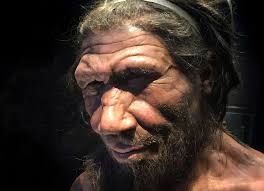
 If the last common ancestor of Homo sapiens and Neanderthals sits close to a million years ago, then the genetic pathways that influence pigmentation and other traits are far older than the BBC timeline allows. At 8 minutes into her documentary, Al-Shahami states that DNA samples of Neanderthal specimens from modern Europe found that these individuals probably had pale skin and some possibly even red hair. She then states that in the quote, “Before Neanderthals, there was no need for lighter skin. white people hadn’t been invented yet. Current genetic evidence points to multiple introgression events starting at 300,000 years ago and another in the Levant over 100,000 years ago. Finally, a well-documented admixture event in Europe between 45,000 and 55,000 years ago.
The implications of these findings extend beyond mere academic curiosity; they urge a reevaluation of how we perceive human diversity and adaptation. As the research unfolds, it becomes clear that the interplay between ancient and modern genetics offers a richer context for understanding the biological mechanisms underlying pigmentation. Furthermore, the examination of these genetic variations emphasizes the shared heritage of all humans, showcasing a complex tapestry of evolutionary history. Ultimately, this exploration invites a deeper appreciation for the multifaceted nature of human adaptation to diverse environments over millennia.
With the current immigration debates raging through Europe and the UK, was political bias involved in Al-Shamahi’s documentary? Was she attempting to discredit White roots in the British Isles?