Cavemen no more
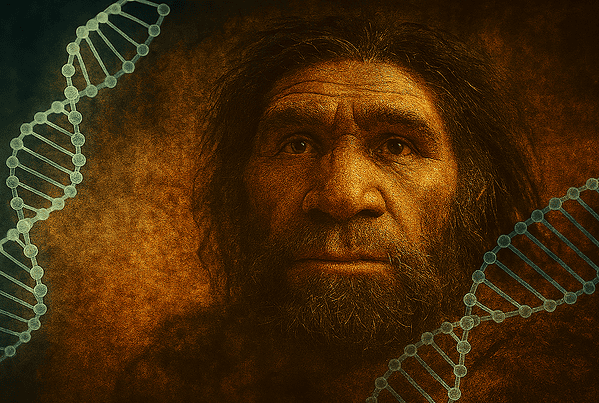
For more than a century, Neanderthals have occupied a strange and shifting place in the public imagination. They have been cast as brutish cavemen, comic relief, evolutionary dead‑ends, misunderstood cousins, and—more recently—unexpected contributors to the modern human genome. The scientific story of Neanderthals has changed dramatically over the last few decades, but the cultural story has changed even faster. Tracing that evolution reveals as much about us as it does about them.
Early 1900s: The Birth of the Hunched Caveman
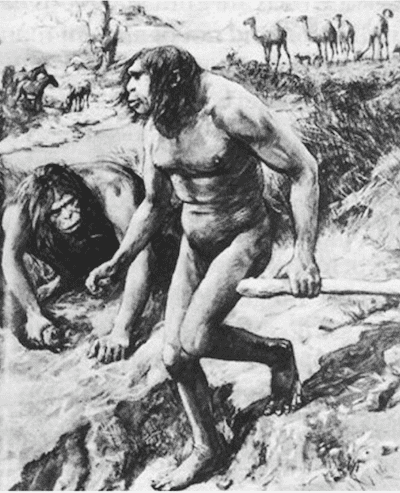 The earliest popular images of Neanderthals emerged in the late 19th and early 20th centuries, shaped heavily by the first skeletal reconstructions. Marcellin Boule’s influential 1911 analysis of the La Chapelle‑aux‑Saints skeleton portrayed Neanderthals as stooped, primitive, and apelike. This single interpretation—later shown to be distorted by the individual’s arthritis—cemented the “hunchback caveman” stereotype for generations.
Newspapers, textbooks, and museum dioramas repeated the same imagery: sloping foreheads, bent knees, dragging knuckles, and vacant expressions. For decades, Neanderthals were depicted as the evolutionary losers, the failed experiment that modern humans had surpassed.
This caricature became so entrenched that even as scientific understanding improved, the public image barely budged.
Late 20th Century: Neanderthals Enter Entertainment
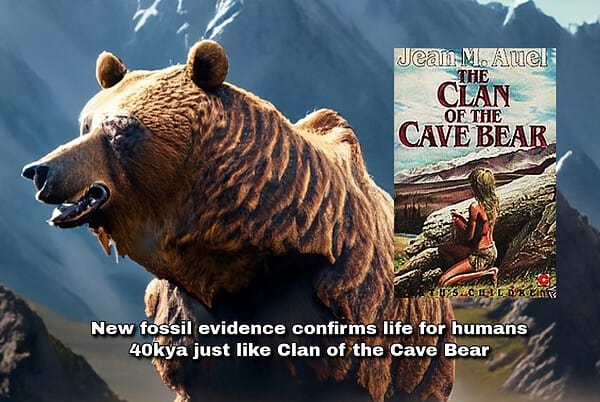
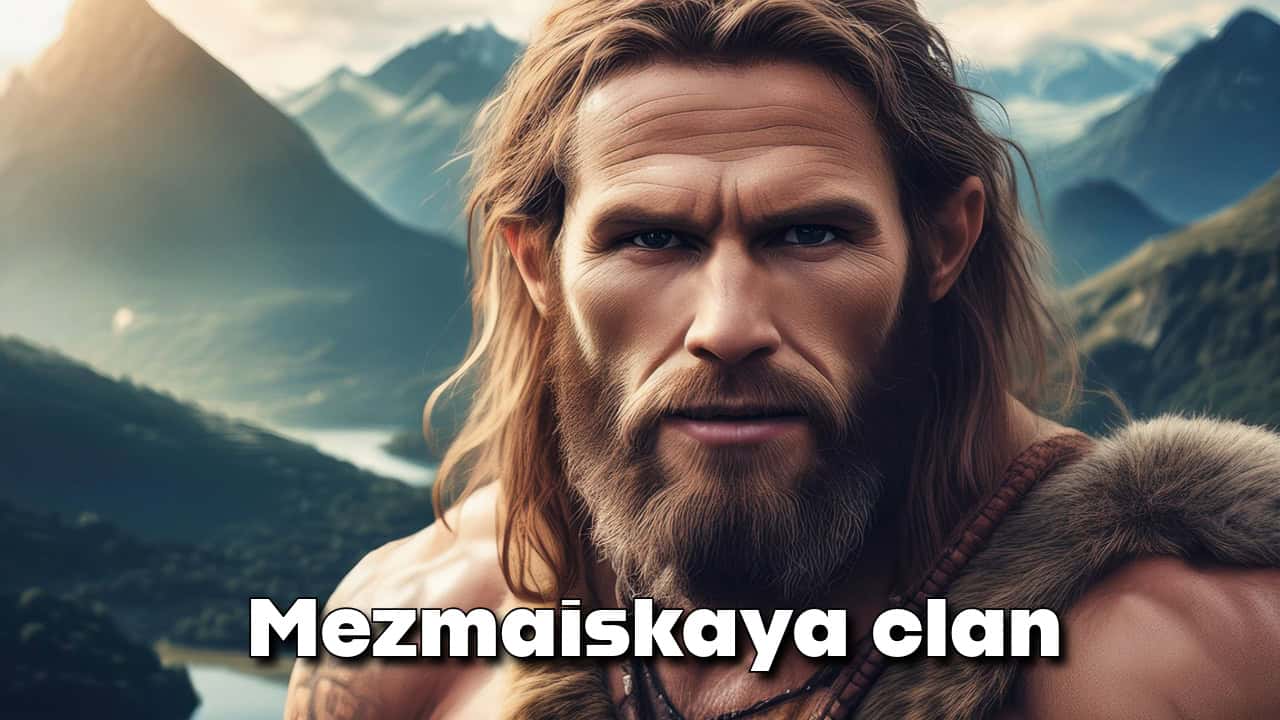 By the 1970s and 1980s, Neanderthals had become fixtures in fiction. Jean Auel’s Clan of the Cave Bear (1980) was one of the first major works to humanize them, portraying Neanderthals as emotionally complex and culturally rich. Although her depiction relied on the scientific assumptions of the time, Auel’s novels helped soften the old caricature and introduced millions of readers to the idea that Neanderthals were not simply brutish primitives.
Still, the comedic stereotype persisted. Cavemen appeared in cartoons, advertisements, and sitcoms. The “prehistoric man” trope was too familiar—and too easy—to disappear.
2000s: The Geico Cavemen and the Last Era of the Old Stereotype
 The early 2000s saw one of the most iconic pop‑culture uses of Neanderthals: the Geico Cavemen. Their tagline—“So easy a caveman could do it”—played on the old stereotype, but with a twist. The cavemen were portrayed as articulate, stylish, and offended by the prejudice against them.
It was satire, but it also revealed how deeply the “caveman” image was embedded in the culture. Even as scientists were uncovering evidence of Neanderthal sophistication, the public still saw them as punchlines.
2010: The Genome That Changed Everything
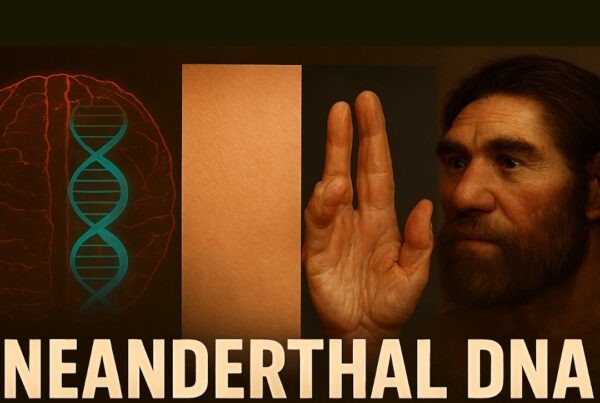
Everything shifted in 2010 when Svante Pääbo, Richard Green, David Reich, and Johannes Krause published the first draft of the Neanderthal genome. The revelation that many modern humans carry Neanderthal DNA was a scientific milestone—and a cultural shock.
The internet reacted instantly. In the early 2010s, Neanderthals were still widely portrayed as primitive, so the idea of having Neanderthal ancestry became a source of jokes, memes, and late‑night comedy bits. It was the last gasp of the old stereotype colliding with brand‑new science.
2012: Spencer Wells and the 5% Moment
 In 2012, geneticist Spencer Wells performed a live Neanderthal DNA test for three journalists at a UC San Diego conference. James Fallows of The Atlantic received a reported “5%” result—an early, inflated estimate that reflected the limitations of the testing methods at the time.
The moment went mildly viral. It was quirky, surprising, and perfectly timed for the era when Neanderthal ancestry was still treated as a novelty. Years later, Wells clarified the numbers, but the cultural moment had already taken on a life of its own.
2018–2020: The Narrative Flips
 By the late 2010s, the scientific rehabilitation of Neanderthals was complete. Archaeology and genetics revealed them to be:
- Symbolic thinkers
- Skilled toolmakers
- Capable of controlled fire
- Creators of pigments and ornaments
- Members of complex social groups
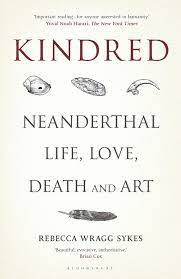
Rebecca Wragg‑Sykes’ Kindred (2020) became the definitive modern portrait, presenting Neanderthals as intelligent, adaptable, and deeply human.
At the same time, journalist Angela Saini argued that some people were now treating Neanderthal ancestry as a point of pride—a striking reversal from the jokes of 2010. Her commentary highlighted how quickly cultural narratives can swing once new science enters the public sphere.
Today: Neanderthals as Our Companions in Deep Time
In 2026, Neanderthals occupy a new place in the public imagination. They are no longer the hunched cavemen of early museum dioramas, nor the comedic mascots of insurance commercials. They are recognized as a sister lineage—different, yes, but profoundly human.
Their story is still unfolding, but one thing is clear: the way we imagine Neanderthals says as much about our own culture, anxieties, and aspirations as it does about them.