
Rosalind Franklin a co-discoverer of DNA? Scandal, Secrecy, and Forgotten Names
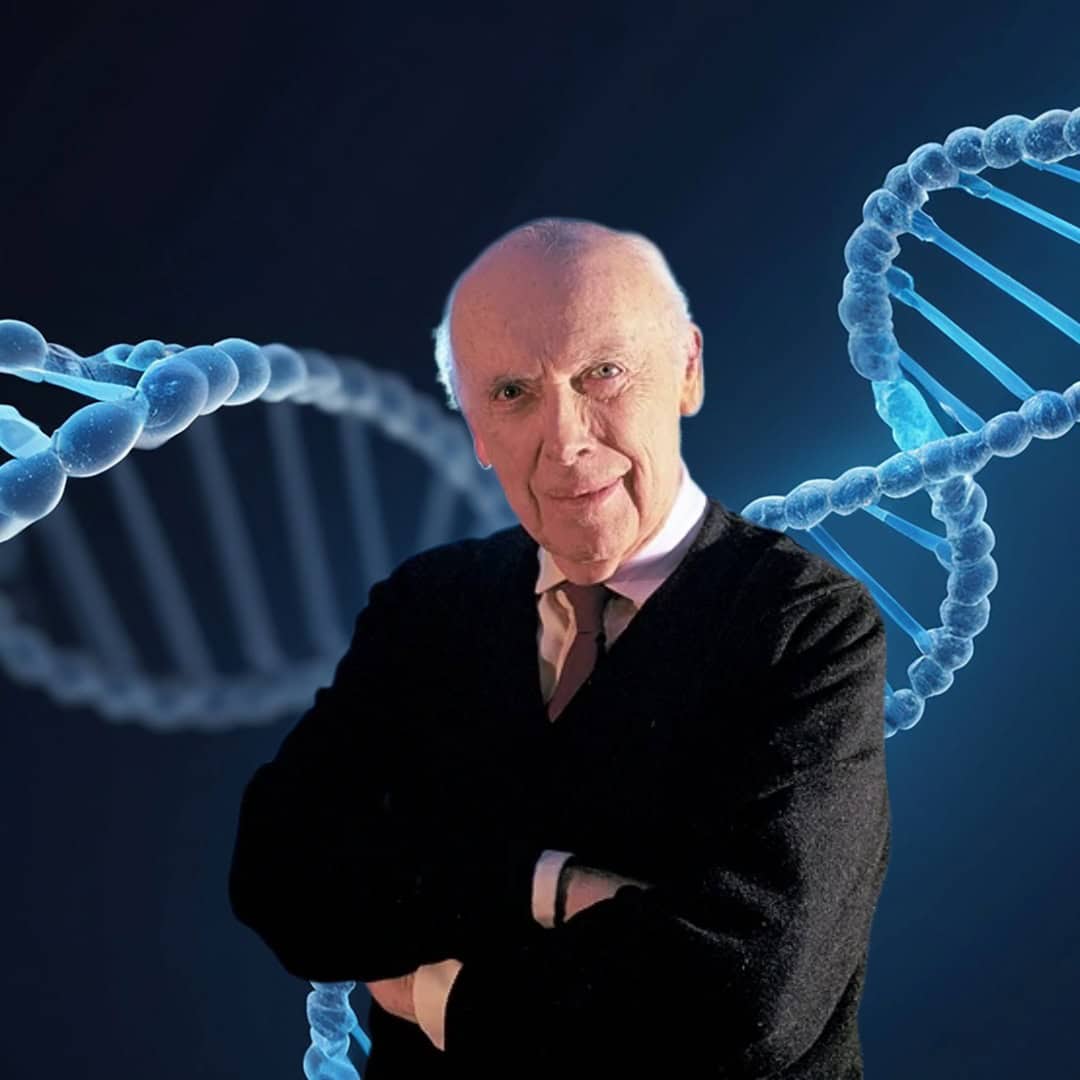 The discovery of DNA’s double helix is often told as a triumph of genius—a clean victory where brilliance prevailed and the “mystery of life” was unveiled. But the truth is far messier. It was a race riddled with ambition, secrecy, and betrayal. James Watson and Francis Crick pushed forward at Cambridge, Linus Pauling loomed from Caltech, and Rosalind Franklin produced the X‑ray images that would prove decisive. Yet behind the polished narrative lies a forbidden story: one where Franklin has been overemphasized, while Raymond Gosling and Jerry Donahue were quietly gipped out of their rightful place in history.
Franklin in the Crossfire
Rosalind Franklin was brilliant, no doubt. Her expertise in X‑ray crystallography gave her the tools to probe DNA’s structure with precision. “Photo 51,” the now‑legendary image of DNA’s helical form, was produced under her supervision. But here’s the twist: Franklin didn’t actually take the photo.
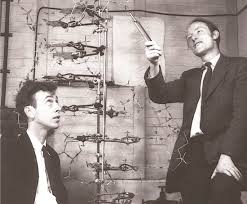 It was her PhD student, Raymond Gosling, who captured the image. The lines of credit blur further when we remember that Maurice Wilkins oversaw the lab where the work was done. Franklin’s role was pivotal, but the myth that she alone produced the decisive evidence is a simplification—one amplified decades later by feminist revisionism that sought to place her center stage as a symbol of suppressed brilliance.
Beginning in the 1990s, a movement rooted mainly on college campuses reframed Franklin as the heroine wronged by patriarchy. Plays, books, and even Nicole Kidman’s 2014 off‑Broadway portrayal cemented her as the tragic genius. Yet this narrative, while emotionally powerful, often caricatures her science and sidelines others who contributed just as critically.
Gosling and Donahue: The Forgotten Players
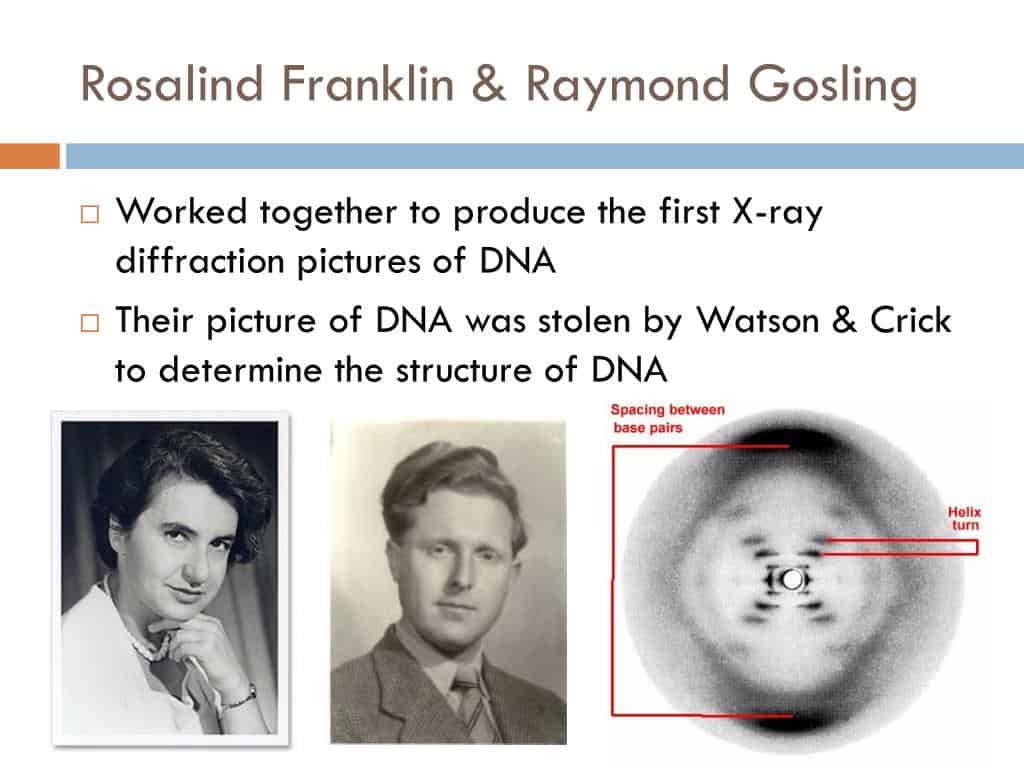 Raymond Gosling’s role has been minimized to the point of invisibility. He was the one who actually took “Photo 51,” the image that Watson saw and immediately recognized as the key to DNA’s structure. Without Gosling’s technical execution, the photo would not exist. Yet his name is rarely mentioned in popular accounts.
Jerry Donahue, meanwhile, provided the crucial chemical correction that allowed Watson and Crick’s model to stand. At a critical moment, Watson was building the DNA scaffold using the wrong tautomeric form of the bases—enol instead of keto. Donahue, a visiting chemist at Cambridge, insisted that the keto form was correct. That single correction made the hydrogen bonding work, enabling the double helix to snap into place. Without Donahue’s intervention, Watson and Crick’s model might have collapsed under its own errors. And yet, Donahue’s name is barely remembered.
The Eagle Pub and the Boisterous Victory
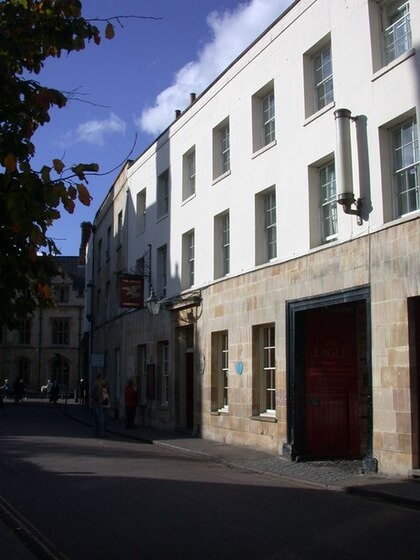 The story of Watson and Crick’s triumph is often told with theatrical flair. One evening, after tinkering with the pieces of their model, the double helix stood complete. With boisterous strides, they walked into the Eagle Pub and declared to the crowd that they had solved the riddle. The mystery of life had been unveiled. But beneath the celebration lay borrowed data, overlooked contributors, and a scandal that would echo for decades.
Scandal Beyond the Helix
The controversies didn’t end with DNA. Watson himself became infamous later in life for his unfiltered opinions on race, sex, and healthcare—remarks that sparked outrage and tarnished his reputation. The man who once declared the secret of life at the pub became a cautionary tale of genius colliding with taboo. His legacy is inseparable from scandal, reminding us that scientific breakthroughs are not born in sterile isolation but in the messy interplay of human flaws.
There were also rampant rumors of illicit drug use and heavy partying. (As we display in the video with this article), much of which was confirmed by both Crick and later Watson.
Watson had what was described as a somewhat combative relationship with Franklin.
Myth, Molecule, and Betrayal
The double helix is more than a molecule. It is a myth forged in secrecy, ambition, and betrayal. Watson, Crick, Pauling, Franklin—their names are etched in history, but the scandal behind them is what makes the story unforgettable. Franklin was caught in the crossfire, her contributions amplified into legend. Gosling and Donahue, meanwhile, were gipped—relegated to footnotes despite their decisive roles.
The forbidden story of DNA is not about denying Franklin’s brilliance. It is about restoring balance to a narrative that has been skewed by politics, ideology, and myth‑making. Science is rarely the clean victory we imagine. It is a battlefield of egos, rivalries, and overlooked names. And in the case of DNA, the true story is one of genius inseparable from scandal.


This article is a real page-turner! It expertly peels back the layers of DNAs famous story, exposing the messy truth behind the double helix. Who knew Photo 51 had such a complex cast? While Franklin gets her due, its a hoot seeing Gosling and Donahue relegated to the footnotes – the true unsung heroes, practically! Watson and Cricks celebratory pub stroll now seem less triumphant and more like borrowing notes without asking. And poor Watson, from genius to scandalous commentator in a few decades! Its a fascinating glimpse into the messy interplay of human flaws that makes science, and history, so utterly compelling. A brilliant, if slightly tragic, narrative!