
Colossal Dire Wolf has had great success coming into the Jurassic Rebirth cinematic season
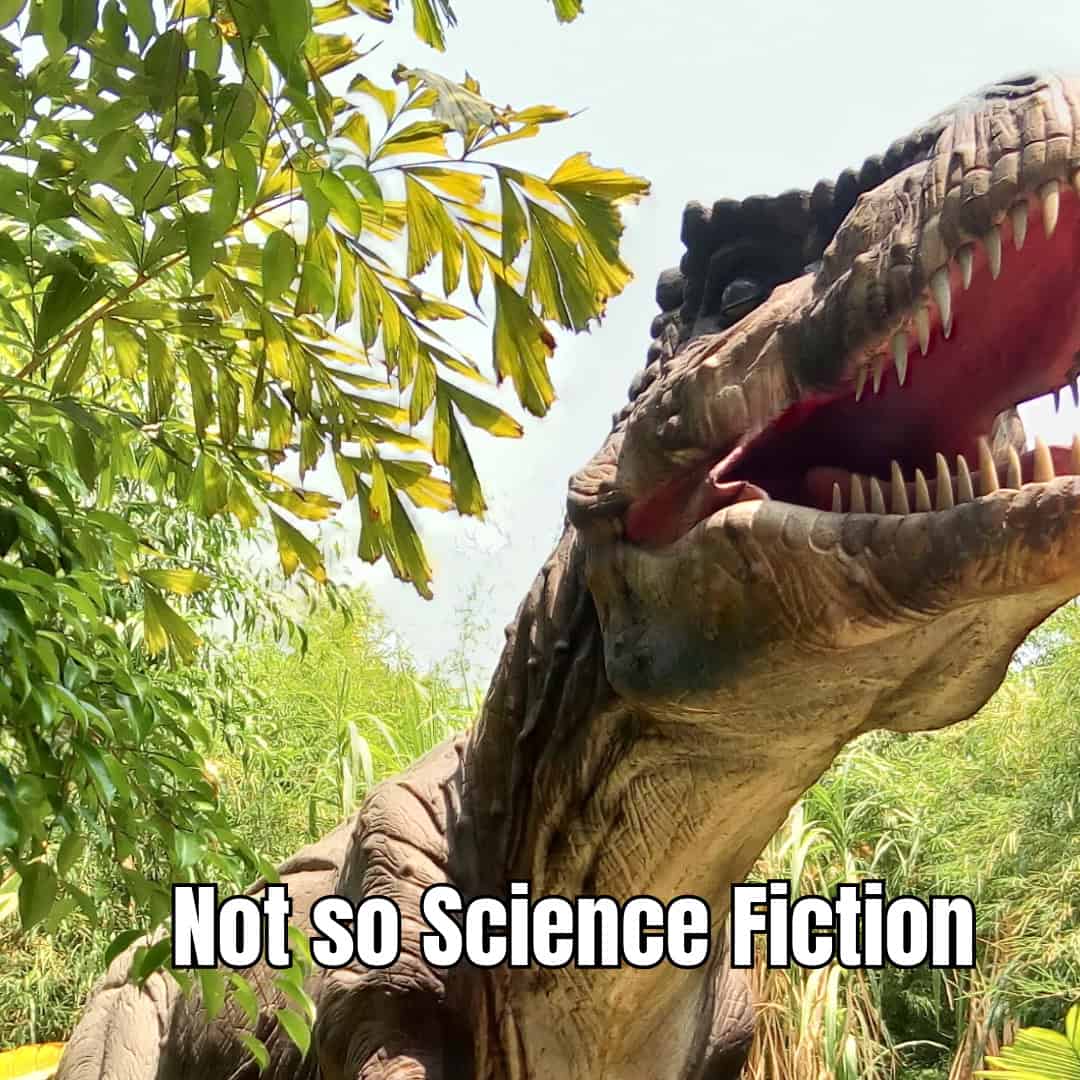
Jurassic Rebirth
In a move that blurs the line between science fiction and evolutionary reality, Colossal Biosciences has unveiled its most audacious de-extinction lineup yet—featuring the Giant Moa, Woolly Mammoth, Tasmanian Tiger, and Pyrenean Ibex. Following the viral success of its Dire Wolf initiative, the company is now pushing the boundaries of synthetic biology, CRISPR technology, and ancient DNA recovery to resurrect some of Earth’s most iconic lost species.
🌍 A New Era of De-Extinction: From Myth to Molecule
The concept of de-extinction has long hovered at the edge of scientific possibility and philosophical debate. But Colossal’s latest announcement marks a seismic shift—from speculative theory to actionable strategy. With exclusive insights from evolutionary biologist Beth Shapiro and Colossal co-founder Ben Lamm, this initiative isn’t just about bringing back extinct animals. It’s about rewriting the rules of biodiversity, conservation, and genetic engineering.
Each species selected for revival carries mythic weight:
- 🦤 Giant Moa: Towering up to 12 feet tall, this flightless bird once roamed New Zealand’s forests, a symbol of ecological grandeur and human-driven extinction.
- 🦣 Woolly Mammoth: The icy titan of the Pleistocene, whose return could reshape Arctic ecosystems and carbon dynamics.
- 🫎 Pyrenean Ibex: The only species to be de-extincted—and re-extincted—in the same century, now poised for a second chance.
🔬 The Science Behind the Resurrection

Neanderthal
At the heart of this Jurassic Rebirth lies a convergence of cutting-edge technologies:
- Tasmanian Tiger (Thylacine): A cryptic marsupial predator, extinct since the 1930s, yet still haunting the cultural imagination of Australia.
- CRISPR Gene Editing: Enables precise modifications to living genomes, allowing scientists to insert ancient traits into modern relatives.
- Ancient DNA Recovery: Extracted from fossils, permafrost, and museum specimens, these genetic fragments serve as blueprints for resurrection.
- Cloning & Stem Cell Engineering: Techniques borrowed from livestock and medical research now repurposed for ecological restoration.
Beth Shapiro, renowned for her work on ancient DNA, emphasizes that de-extinction isn’t about perfect replication—it’s about functional proxies. “We’re not bringing back the exact mammoth,” she notes, “but a cold-adapted elephant that can fulfill similar ecological roles.”
🎥 A Cinematic Deep Dive into Evolutionary Rebirth
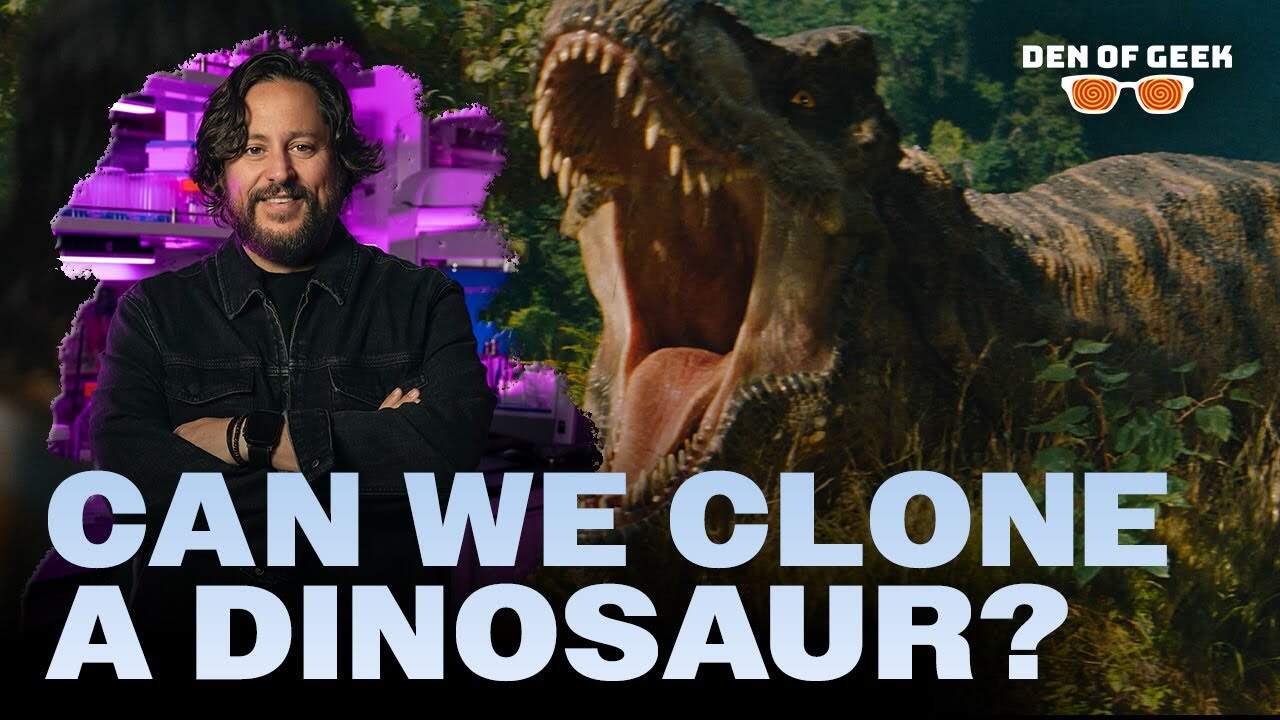
Our latest YouTube video offers a visually stunning and intellectually provocative exploration of this de-extinction frontier. With layered overlays, archival footage, and mythic narration, we unpack the science, strategy, and ethical stakes of resurrecting prehistoric giants.
Watch the full video here:
Whether you’re a paleoanthropology enthusiast, a biotech follower, or simply captivated by the idea of bringing back lost species, this journey delivers both spectacle and substance.
⚖️ Ethical Implications: Should We Bring Them Back?
 The excitement around de-extinction is matched by its ethical complexity. Critics raise concerns about:
- Ecological Disruption: Could revived species destabilize modern ecosystems?
- Animal Welfare: What are the moral obligations toward lab-created life?
- Conservation Priorities: Should resources go toward saving endangered species rather than reviving extinct ones?
Ben Lamm argues that de-extinction can complement conservation. “We’re not just bringing back animals—we’re restoring ecosystems,” he says. The Mammoth, for example, could help rewild the Arctic tundra, compacting snow and promoting grasslands that sequester carbon.
🌐 Global Impact: Biodiversity, Climate, and Cultural Memory
Colossal Dire Wolf
Each species in Colossal’s lineup carries ecological and symbolic weight:
- Moas could help restore New Zealand’s native flora, once shaped by their browsing habits.
- Mammoths might mitigate climate change by reviving the “mammoth steppe.”
- Thylacines could rebalance predator-prey dynamics in Tasmania.
- Ibex represent a second chance at reversing human error.
Beyond biology, these animals are cultural icons—symbols of loss, resilience, and the human desire to undo extinction. Their return isn’t just scientific; it’s mythic.
Are Neanderthals next to be brought back?
🧠 Mythic Resonance: Why Audiences Are Captivated
There’s a reason these stories go viral. They tap into deep archetypes:
- Resurrection: The dream of reversing death.
- Redemption: Undoing human-caused extinction.
- Rewilding: Restoring lost harmony between species and ecosystems.
📣 Call to Action: Join the Evolution
Want more cinematic deep dives into the future of life on Earth? Subscribe to our YouTube channel for weekly explorations of de-extinction, cryptic genetics, and evolutionary storytelling.
🔗
And stay tuned to as we relaunch with long-form mythic commentary, embedded video archives, and multilingual insights into the science of resurrection.