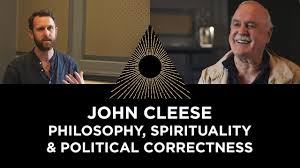
Oliver Sacks exposed as a fabulist
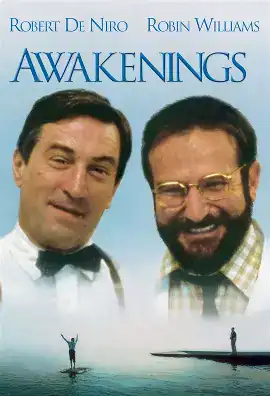
Oliver Sacks occupies a rarefied place in late 20th-century culture. A neurologist by training, he became something far larger in the public imagination: a literary physician, a Hollywood muse, and eventually a cultural icon whose work bridged medicine and art. From Robin Williams’ portrayal of him in Awakenings to Tobias Picker’s operatic adaptation of the same story, Sacks was elevated into a saintly figure—revered by publishers, critics, and the entertainment industry alike.
 Yet beneath this reverence lies a striking contradiction. While conservative voices are often dismissed, caricatured, or silenced in mainstream media, Sacks was celebrated despite standing apart, apolitical to the end. The double standard is glaring: why does the cultural establishment elevate certain figures into untouchable icons while others are marginalized for ideological reasons?
From Case Study to Cultural Canon
Sacks’ 1973 book Awakenings chronicled his experiments with L-DOPA, a drug that temporarily revived patients suffering from encephalitis lethargica, the so-called “sleeping sickness.” The book was adapted into the 1990 film starring Robin Williams and Robert De Niro, which cemented Sacks’ reputation as a physician-poet.
Composer Tobias Picker later transformed Awakenings into a full-scale opera. As OperaWire notes, Picker’s work dramatizes Sacks’ encounters with patients whose brief revival was tragically short-lived, as side effects forced the drug’s withdrawal. The opera, praised for its sensitivity and emotional depth, portrays Sacks not only as a doctor but as a man wrestling with his own identity .
This layering of film, opera, and even ballet adaptations demonstrate how Sacks’ narrative was canonized across artistic mediums. He became more than a neurologist; he became a myth.
The Saintly Myth
 Mainstream media and publishing houses framed Sacks as a saintly figure. The Wall Street Journal described Picker’s score as “elegiac” and “autumnal,” treading delicately through stories of unrealized possibility. Critics lauded Sacks’ ability to humanize medicine, to turn case studies into literature.
Hollywood amplified this myth. Awakenings was marketed not just as a medical drama but as a profound meditation on human dignity. The film’s success reinforced the idea that Sacks was a bridge between science and art, a healer whose compassion transcended politics.
This framing matters. By elevating Sacks into a cultural saint, the media created a narrative immune to critique. His flaws, biases, and limitations were obscured beneath the glow of reverence.
Conservative Critiques: “Oliver Sacks Was a Fraud”
Not everyone accepted the myth. Conservative outlets like Hot Air bluntly challenged the narrative, publishing headlines such as “Oliver Sacks Was a Fraud.” The critique was not merely about his medical work but about the cultural machinery that elevated him while dismissing dissenting voices.
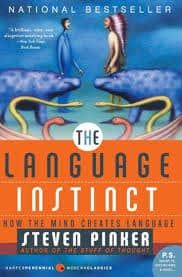
In early December, Steven Pinker Tweeted out a criticism of Sacks which drew great attention to the controversy.
The charge of “fraud” is provocative, but it underscores a deeper frustration: why are figures like Sacks canonized while conservative intellectuals are caricatured or ignored? The media’s selective reverence reveals its gatekeeping function. It decides who is worthy of legacy and who is not.
The Double Standard of Legacy
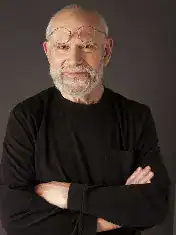 The contradictions are stark. Sacks was apolitical, yet he was celebrated as if his neutrality itself were a virtue. Meanwhile, conservatives who attempt to bridge disciplines—whether in science, literature, or philosophy—are often dismissed outright.
This double standard exposes the hypocrisy of cultural gatekeepers. They claim to value intellectual courage, yet they elevate only those whose narratives fit comfortably within their ideological framework. Sacks’ saintly myth was convenient: it allowed Hollywood and big publishers to celebrate compassion without confronting uncomfortable political realities.
Toward a Forensic Narrative
By weaving together film, opera, and ballet, we can construct a forensic narrative that challenges the myth. Sacks’ story is not simply one of medical triumph or artistic inspiration. It is also a case study in how media institutions manufacture legacy.
The reverence for Sacks contrasts sharply with the hostility toward conservative voices. This contradiction reveals what cultural elites are loathe to admit: their gatekeeping is not about merit but about ideology.
Conclusion: Exposing the Hypocrisy
Oliver Sacks was undoubtedly a gifted writer and physician. His ability to humanize patients and dramatize medical encounters left a lasting mark on culture. But the saintly myth surrounding him cannot be taken at face value.
By contrasting Sacks’ elevation with conservative critiques, we expose the hypocrisy of cultural gatekeepers. Legacy, it turns out, is not simply earned—it is curated, manufactured, and policed. And until we confront these double standards, the canon will remain less about truth and more about ideology.
Make sure to watch our full video on Sacks above.