🔥 Introduction: The Whisper Beneath the Amazon Jungle Canopy
Denisovan bloodlines, stretching deep in the Amazon, the genomes of Brazil’s forest tribes whisper of a vanished ancestor. Not Neanderthal. Not Australasian. Something older. Stranger. Still unnamed.
This isn’t just a genetic anomaly—it’s a mythic rupture. A signal that defies classification, threading through volcanic islands, ancient lagoons, and the forgotten bloodlines of Denisovan descent.
🧠 The Fourth Lineage Hypothesis: Cox, Campo-Santos, and Lindo
 Professor Murray Cox’s “fourth lineage” hypothesis has gained traction, suggesting a prehistoric admixture in Indigenous South American populations that cannot be explained by known Neanderthal or Australasian ancestry. Studies by Campo-Santos and Lindo reinforce this anomaly, pointing to a ghost population—one that may trace back to Denisovans.
This isn’t fringe speculation. It’s peer-reviewed heresy. And it’s rewriting the map of human migration.
🌋 Rapa Nui as a Waystation: The Uppsala Revelation
A recent study by Hélène and Professor Wallin of Uppsala University proposes that Rapa Nui (Easter Island) may have served as a genetic waystation—a stopover for Polynesian travelers carrying Denisovan DNA en route to South America.
This flips the orthodoxy on its head. Rapa Nui isn’t just a cultural outlier—it’s a genomic relay point. A volcanic echo chamber where myth and molecule collide.
ArchaeologyMag, July 2025,
Easter Island was not isolated: new study reveals Rapa Nui’s role in Polynesian culture
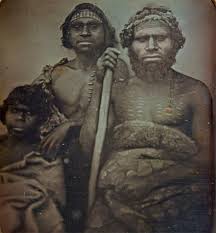 This history is being rewritten by new Uppsala University research published in Antiquity, with evidence that Rapa Nui was not a passive recipient of cultural traditions, but an active participant in the molding of ritual architecture in East Polynesia.
Led by Professors Paul Wallin and Helene Martinsson-Wallin, Swedish researchers analyzed archaeological data and radiocarbon dates from ritual sites, settlements, and monumental structures throughout Polynesia. Their findings challenge the belief that cultural development followed a simple west-to-east trajectory from Tonga and Samoa to the outermost reaches of Polynesia, including Hawaiʻi, New Zealand, and Rapa Nui.
💀 Santa Lagoa and the Copenhagen Skull
At the heart of this mystery lies a cranium from Lagoa Santa, now housed in the museum in Copenhagen. Six months ago, it was just another fossil. Today, it’s a revelation.
Comparative analysis reveals striking similarities between the Santa Lagoa skull and the Denisovan mandibles from Xiahe and Penghu. Both Xiahe and Penghu have now been confirmed as Denisovan. The Santa Lagoa specimen? It’s not officially labeled—but the resemblance is uncanny.
This isn’t coincidence. It’s convergence. And it demands a reclassification of Brazil’s deep past.
🧓 Peter W. Lund: The Erased Prophet, Discoverer of Santa Lagoa
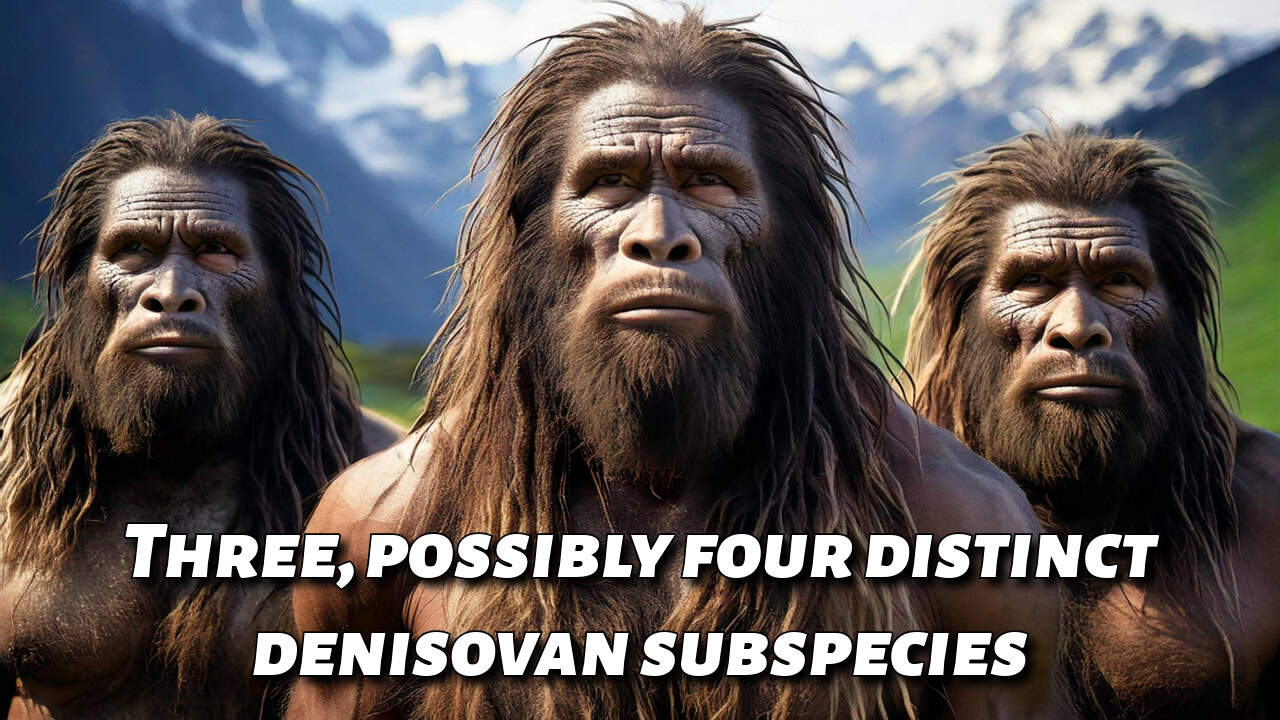 Peter Wilhelm Lund, the 19th-century Danish naturalist who excavated Lagoa Santa, has been shortchanged by history. Yes, he held racial typologist views—he was a man of his time. But his fossil instincts were razor-sharp. He sensed a divergence in Brazil’s prehistoric populations that modern genomics is only now beginning to validate.
Lund didn’t know Denisovans existed. But he saw their shadows.
And yet, in today’s academic climate—especially in the U.S.—figures like Lund are being erased. Not critiqued. Erased.
The woke agenda doesn’t just challenge outdated views—it seeks to obliterate inconvenient truths. But science isn’t sanitized. It’s messy, mythic, and often politically incorrect.
Springer Link:
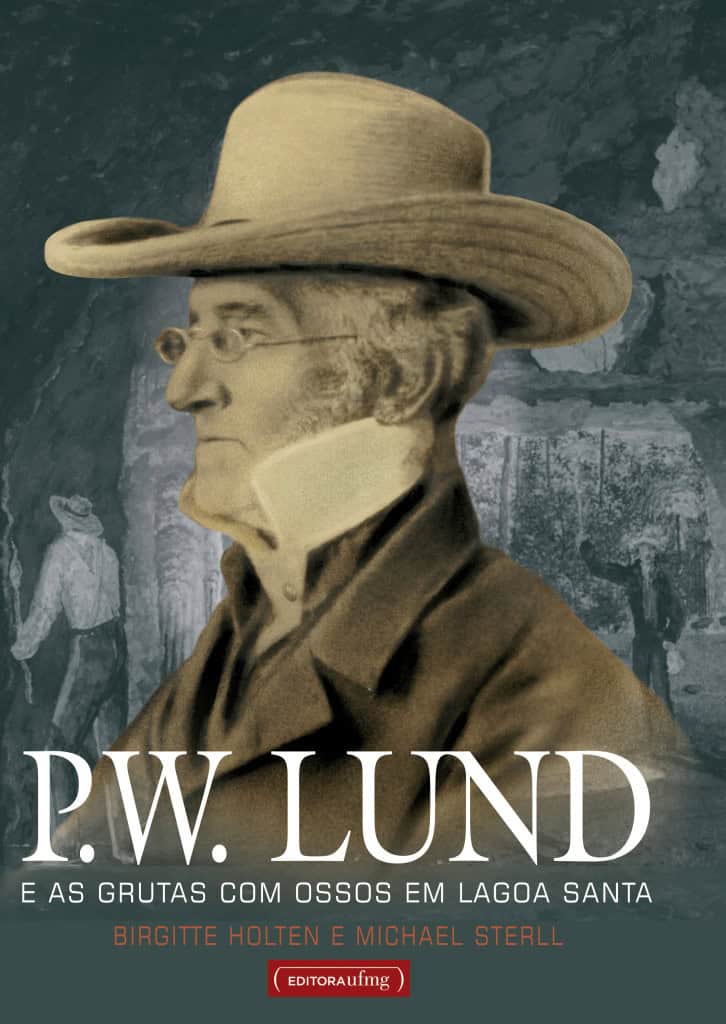 Peter Wilhelm Lund (1801–1880) was a most remarkable nineteenth century Danish naturalist. During 10 years of intense work in the Brazilian limestone caves in the 1830s and 1840s, he generated new explanations for the evolution of the Earth, its fauna and flora, and human beings. His scientific methods were characterized by his unprecedented focus on complete systematic registration. Lund discovered and described an enormous range of extinct animals.
He demonstrated that the extinction of prehistoric animals had by no means been complete, that actual animals in fact had lived side by side with animals that are now extinct and even that human beings had been contemporaneous with the extinct megafauna.
Lund’s discoveries and analyses contributed toward the lasting and persistent reformulation of the history of the Earth and of humanity that eventually paved the way for a more general acceptance of Darwin’s revolutionary ideas. In fact, he offered to Darwin a long-term view of animal evolution. In addition, Lund performed a pioneering attempt of determining an absolute dating of the contents of a cave.
Peter W. Lund has been forgotten by history. But we here at subspecieist.com are revitalizing his legacy.
🎥 Watch the Myth Unfold
Embedded Video: Denisovan Bloodlines in the Amazon: The Mystery Deepens
No grants. No gatekeepers. Just fossil fire.